
Pakistan’s large-scale manufacturing (LSM) sector has begun to show early signs of revival, posting a 4.08% growth rate in the first quarter (July–September) of the 2025–26 fiscal year, according to the latest official data. This marks a noticeable improvement compared to the same quarter last year, reflecting a gradual rebound in industrial activity after months of volatility driven by inflation, weak demand, and high production costs. During September 2025 alone, year-on-year LSM output grew by 2.69%, following a 2.05% annual rise in August. However, the monthly trend showed some fluctuation, as output in August declined by 2.75% compared to July, indicating that while year-over-year performance is improving, short-term growth remains uneven. The Quarterly Quantum Index of Large-Scale Manufacturing (QIM) revealed that a few key industries played a central role in driving overall growth. Automobiles contributed the highest share at 1.84%, supported by better sales and production of commercial vehicles and select passenger models. The food sector added 0.91%, helped by increased processing activity and improved agricultural supply. Cement output also strengthened, contributing 0.83%, owing to rising domestic construction activity and steady export demand. The garments and non-metallic mineral sectors added 0.42% and 0.81%, respectively, reflecting increased orders from export markets and consistent demand in the construction sector. Despite the positive overall trend, several major industries continued to struggle. Petroleum products, chemicals, pharmaceuticals, iron and steel, machinery and equipment, and furniture all posted declines due to weak domestic demand, higher input costs, and slower export orders. These contractions highlight that recovery is uneven and concentrated in select industries, rather than broad-based across the manufacturing landscape. Detailed production trends show that food processing, tobacco, wearing apparel, non-metallic mineral products, electrical equipment, automobiles, and transport equipment performed strongly during the three-month period. On the other hand, declines were seen in beverages, chemical products, iron and steel, machinery and equipment, and furniture manufacturing. Economists note that while the 4.08% quarterly growth is encouraging and suggests early stabilization of the industrial sector, sustained improvement will depend on easing energy prices, improving business confidence, and maintaining policy continuity. The recovery trajectory remains sensitive to external demand, exchange rate pressures, and domestic macroeconomic conditions. Overall, the Q1 performance indicates that Pakistan’s LSM sector is moving toward gradual recovery, but achieving strong, broad-based industrial growth will require continued support and stability in both economic and policy environments.
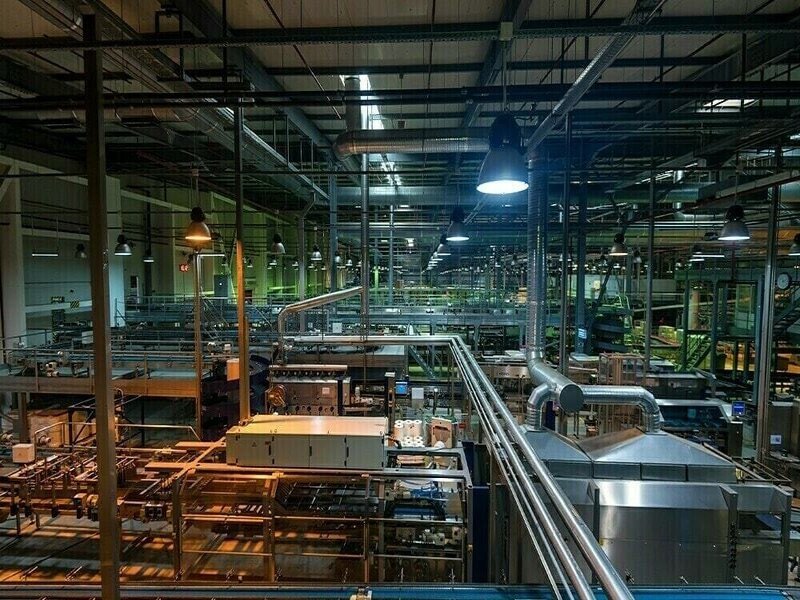
Pakistan’s Large-Scale Manufacturing Rebounds 4.08% in Q1 FY26
24 November, 2025 0 8Similar news
-
Bank of Khyber: Building Momentum with Consistent Performance on PSX
30 September, 2025 -

-
-
-

Ghandhara Automobiles Reports Record Profit of Rs. 1.67 Billion
10 November, 2025
Publications
-

Karachi Sets Up Specialized Courts to Tackle Water Theft
27 January, 2026 0 10 -
-

-

Pakistan Considers Imposing Age Restrictions on Social Media Platforms
27 January, 2026 0 8 -

Health
-
Pakistan Launches PM Health Card 2026 Offering Rs 1 Million Free Healthcare Coverage
26 January, 2026
The PM Health Card 2026, also known as the Sehat Sahulat Program, has been relaunched in Pakistan
More details ... -
DRAP’s Digital Licensing System Reduces Approval Time from Months to Just Days
23 January, 2026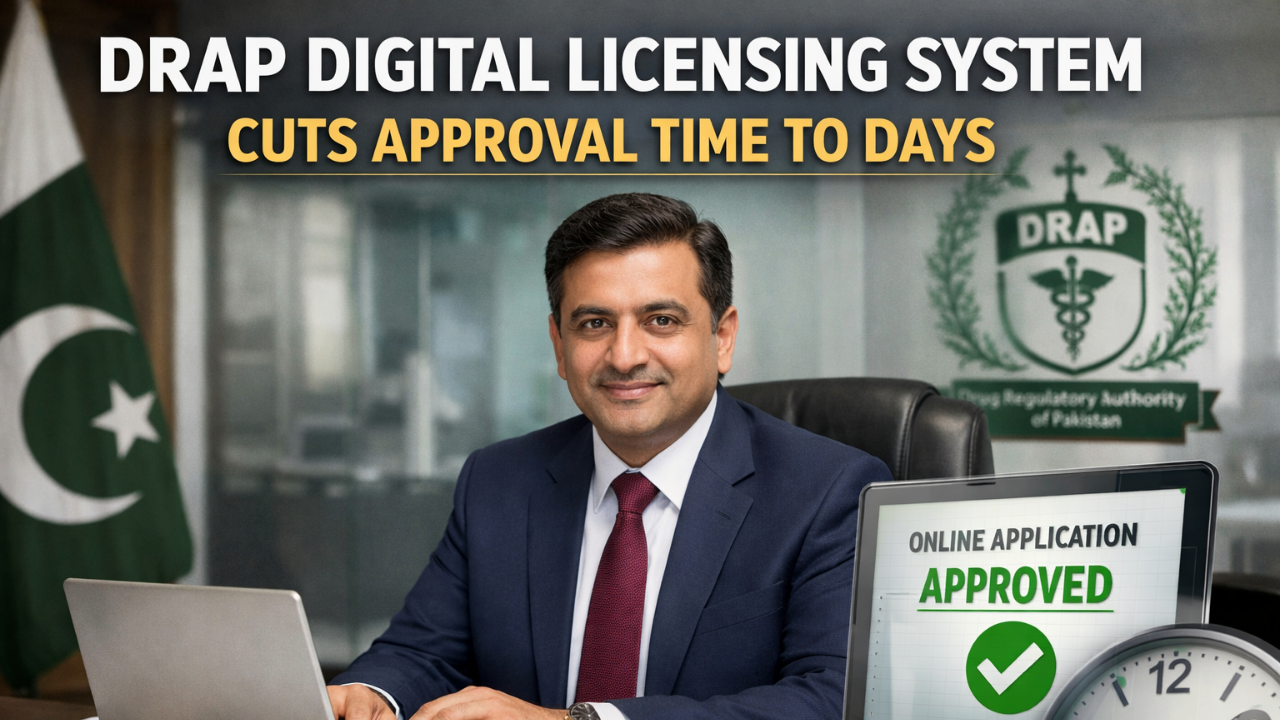
The DRAP digital licensing system has fundamentally changed the way regulatory approvals are
More details ... -
Japan’s School Lunches Focus on Health, Freshness, and Food Education
22 January, 2026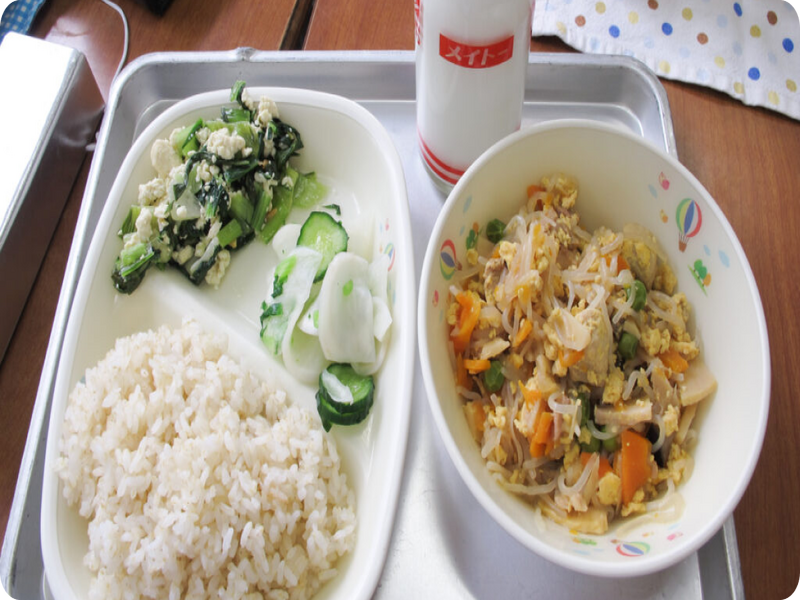
In Japan, school lunches, known as kyūshoku, are designed with a strong focus on health,
More details ... -
Punjab CM Announces 25,000 Government Jobs with Salaries Up to Rs. 50,000
19 January, 2026
The Punjab Government has announced a major initiative aimed at strengthening public healthcare
More details ... -
Punjab Government Approves Free Treatment for Cancer, Stroke, and Heart Patients
16 January, 2026
The Punjab Health Initiative Management Company (PHIMC) board has approved special healthcare
More details ...
Cars
-

Meet Ella: TECNO’s AI Assistant That
27 January, 2026 -
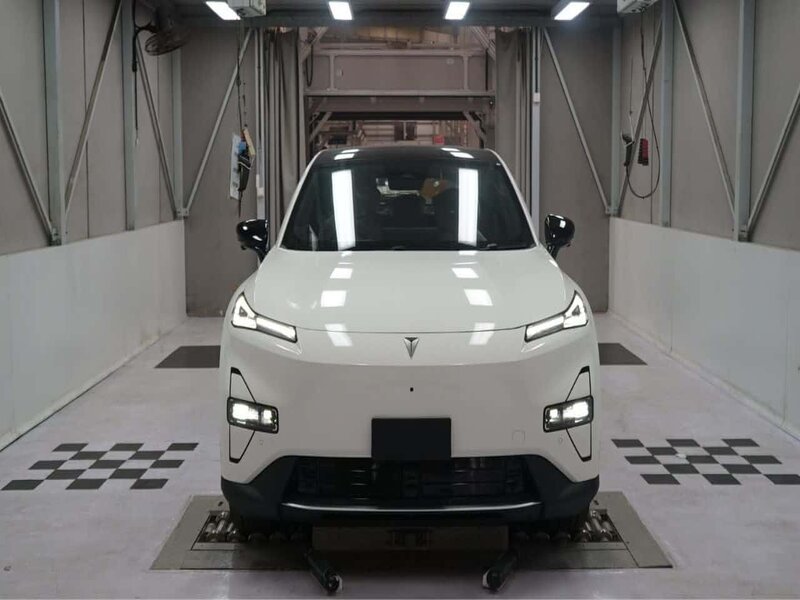
Deepal S05 Becomes Pakistan’s First
27 January, 2026 -

GWM Pakistan Launches Locally Assembled
27 January, 2026 -
GWM Pakistan Announces Major Updates to
27 January, 2026
Readable
+-

Sindh Reveals Launch Date of Pink Taxi Scheme for Women
29 September, 2025 0 123 -
PNMC Warns Against 38 Fake Nursing Colleges in Pakistan
30 September, 2025 1 107 -

EOBI Pension Update 2025: Benefits, Amount, Eligibility, & How to Check Online
17 October, 2025 0 80 -
Tourist Spot is Set to Receive Green Line Bus and Train Service
02 October, 2025 0 75 -
FBR Under Pressure as Tax Return Filings Fall to Less Than Half of Last Year
30 September, 2025 0 74
Rating
+-
Tourist Spot is Set to Receive Green Line Bus and Train Service
02 October, 2025 0 75 -
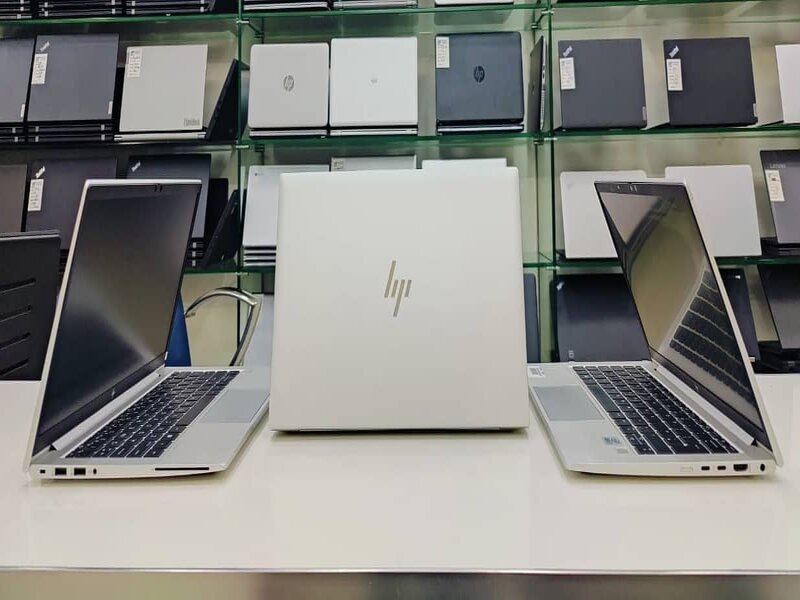
Get a Brand New HP Laptop in Pakistan for Only Rs. 10,000
03 January, 2026 1 32 -
-
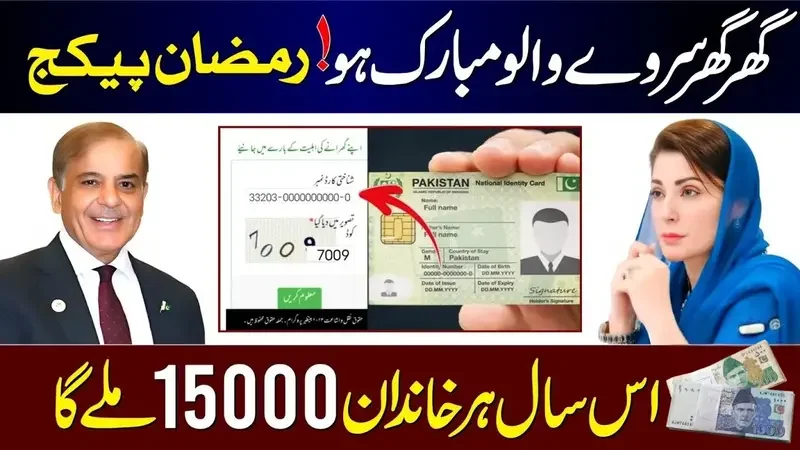
PSER Survey 2026: Online Registration Open for Ramzan Package & Free Atta Ration
22 January, 2026 0 26 -
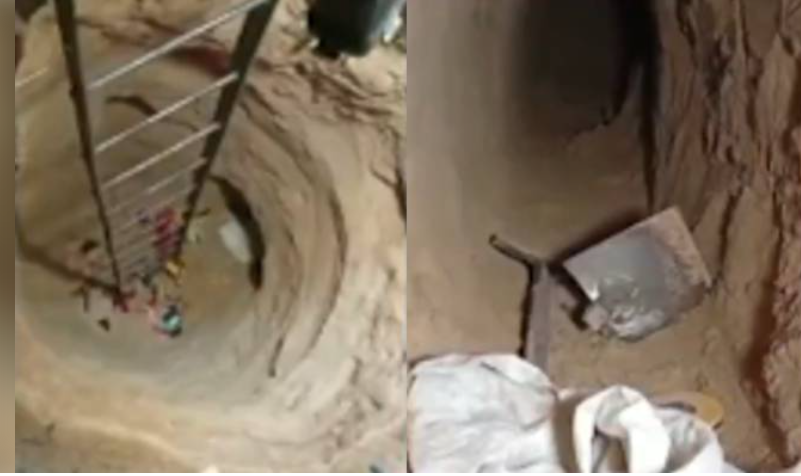
Four Arrested in Karachi After Foiled Attempt to Steal Oil from Parco Pipeline
25 December, 2025 0 7
-

-

NADRA Simplifies Process for Obtaining Birth and Death Certificates Across Pakistan
13 October, 2025 3 40 -
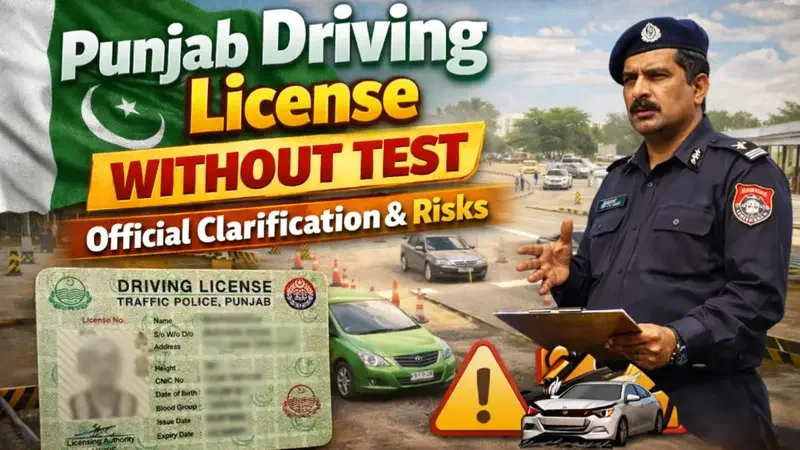
Punjab Driving License Without Test: Official Clarification & Risks
24 January, 2026 2 23 -
PNMC Warns Against 38 Fake Nursing Colleges in Pakistan
30 September, 2025 1 107 -
Latest
-
-
Karachi Sets Up Specialized Courts to Tackle Water Theft
-
-
S&P and SBP Aligned on Pakistan’s Economic Outlook, Says Adviser
-
-
Video
-
Karachi Sets Up Specialized Courts to Tackle Water Theft
-