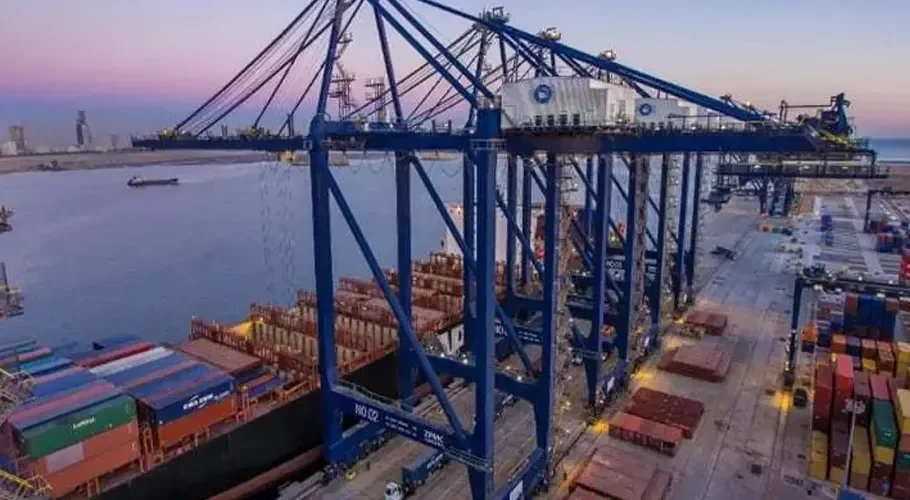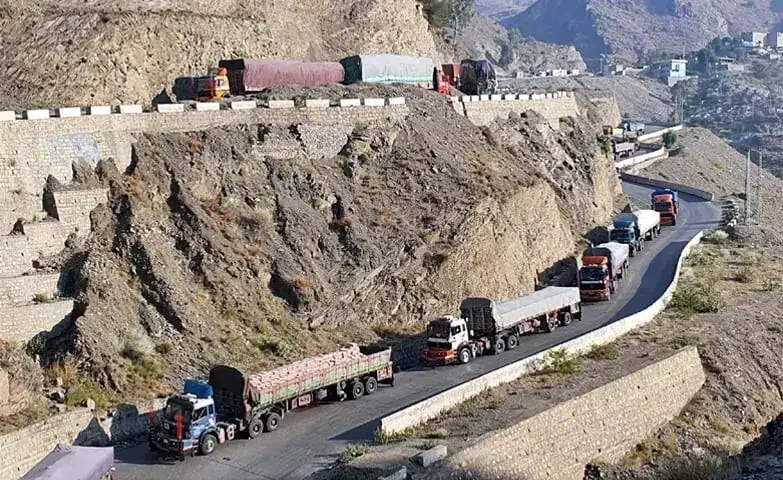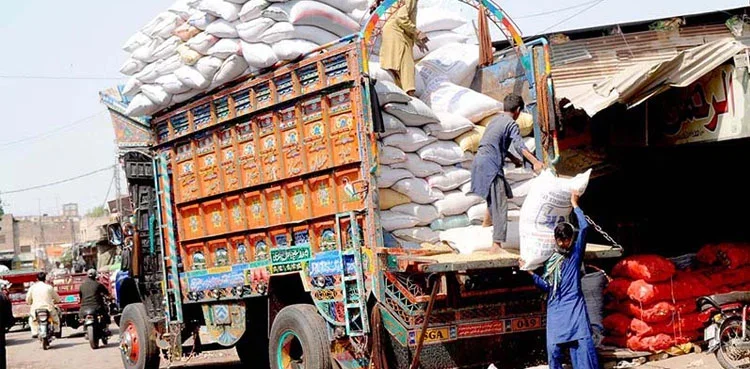

Pakistan’s ongoing transportation strike, now entering its tenth consecutive day, is causing severe disruptions across the country’s logistics and trade sectors, with analysts warning that losses could reach up to $1 billion. The strike, sparked by disputes over stricter axle-load limits, increased tolls, and intensified highway policing, has brought the movement of goods between ports, factories, and markets to a near standstill.
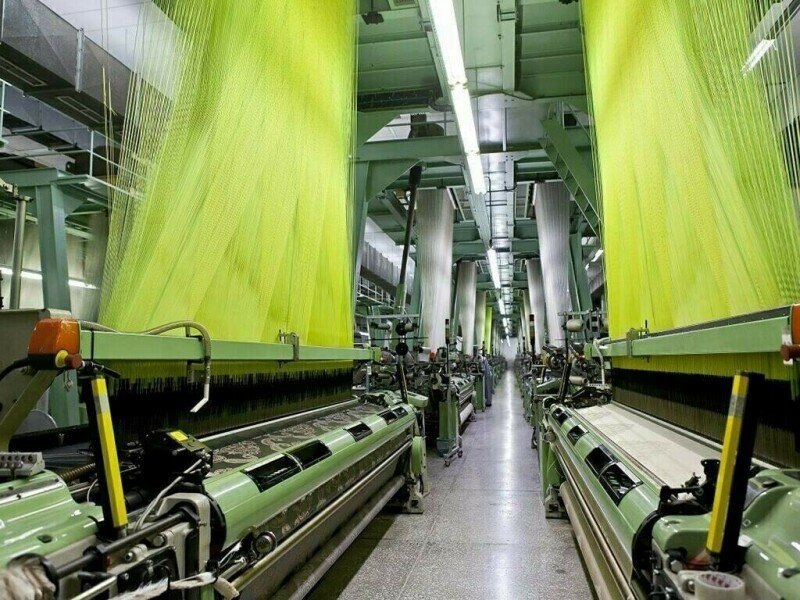
The textile sector, which represents Pakistan’s largest export industry, is among the hardest hit, suffering daily losses exceeding $60 million due to halted shipments, demurrage charges, and container detention fees. Exporters are struggling to meet international delivery schedules, and delays at Karachi ports have created a significant backlog of containers awaiting transport. Local industries dependent on imported raw materials are also facing interruptions in production.
Although some transporters have partially resumed operations, a significant portion remains on strike, prolonging the economic impact. Analysts warn that prolonged disruptions may lead to rising inflation, increased pressure on the current account deficit, and overall instability in the country’s economy. Urgent resolution of the strike is seen as critical to prevent further financial losses and to stabilize Pakistan’s trade and supply chains.