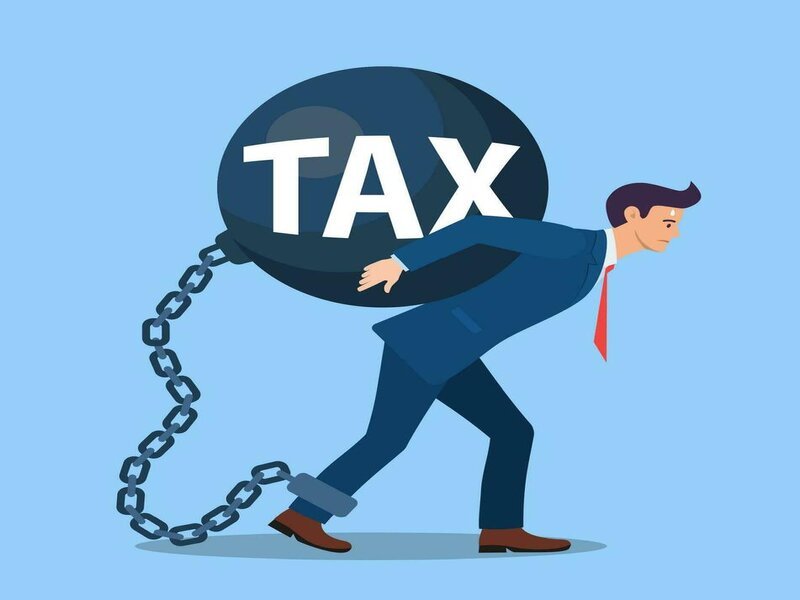
ISLAMABAD: Pakistan’s high corporate tax burden is emerging as a major obstacle to foreign direct investment, officials acknowledged during a two-day economic dialogue hosted by the Pakistan Business Council, where concerns were raised about the country’s ability to remain competitive in attracting global capital. The Special Investment Facilitation Council stated that elevated tax rates are discouraging investors, while the Federal Board of Revenue warned that any reduction in taxes must be backed by stronger compliance to avoid a massive revenue shortfall estimated at Rs1.6 trillion.
Speaking at the forum, SIFC National Coordinator Lt Gen Sarfraz Ahmed conceded that Pakistan’s effective corporate tax rate can reach nearly 50 percent when multiple levies are combined, a level he described as unattractive for investors. He questioned how investment could flow in such an environment but assured business leaders that the government is fully aware of the issue and actively exploring solutions, though he avoided making firm commitments at this stage.
He stressed that recent experience has shown that foreign investment is more likely to follow when domestic investors take the lead. Reflecting on efforts over the past three years, he said the strategy is now shifting toward engaging Pakistan’s own business leaders first, encouraging them to spearhead projects and form partnerships. He urged local entrepreneurs to come forward with viable proposals, pledging full institutional support from SIFC to help them navigate approvals, connect with investors, and access international markets.
Lt Gen Sarfraz revealed that potential investors, particularly from Gulf countries including Saudi Arabia, have expressed strong interest in Pakistan but often seek clear local partners before committing funds. He said SIFC is prepared to act as a bridge between Pakistani businesses and foreign capital, emphasizing that if a project is commercially sound, the government will facilitate its progress.
Meanwhile, FBR Chairman Rashid Mahmood Langrial underlined that any reduction in corporate or other taxes would depend on measurable improvements in tax compliance. He said lowering rates without broadening the tax base and closing loopholes would create an unsustainable revenue gap. In a separate session, he briefed participants on ongoing automation initiatives aimed at improving taxpayer facilitation, reducing evasion, and strengthening enforcement.
He also outlined plans to gradually phase out the super tax and rationalize other levies, but reiterated that these reforms are conditional on successful compliance measures. Mr Langrial shared the government’s target of raising the tax-to-GDP ratio to 18 percent by 2028, with the FBR expected to contribute 13.85 percent, provinces 3 percent, and the remainder coming from the petroleum development levy.
Pakistan Business Council Chairperson Dr Zeelaf Munir and CEO Javed Kureishi echoed the call for closer cooperation between the public and private sectors, stressing that structural reforms, fair taxation, and investor confidence are essential to securing long-term economic stability and growth.