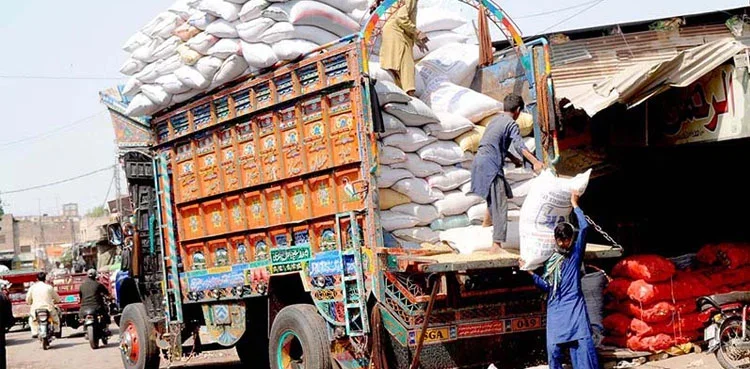
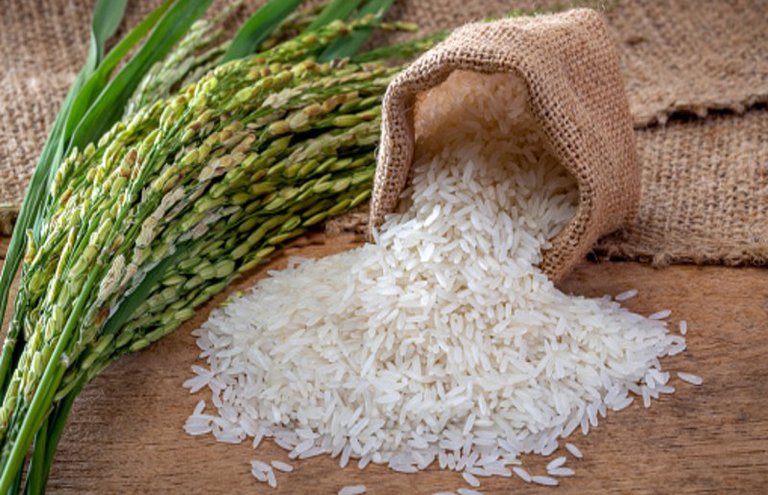
Pakistan’s rice exports to China recorded a notable increase during January to November 2025, rising by 14 percent to $49.37 million compared to $43.49 million in the same period last year, highlighting strengthening trade ties and rising demand in the Chinese market. The growth reflects improved market access, smoother trade facilitation mechanisms, and a stronger presence of Pakistani agricultural products in China.
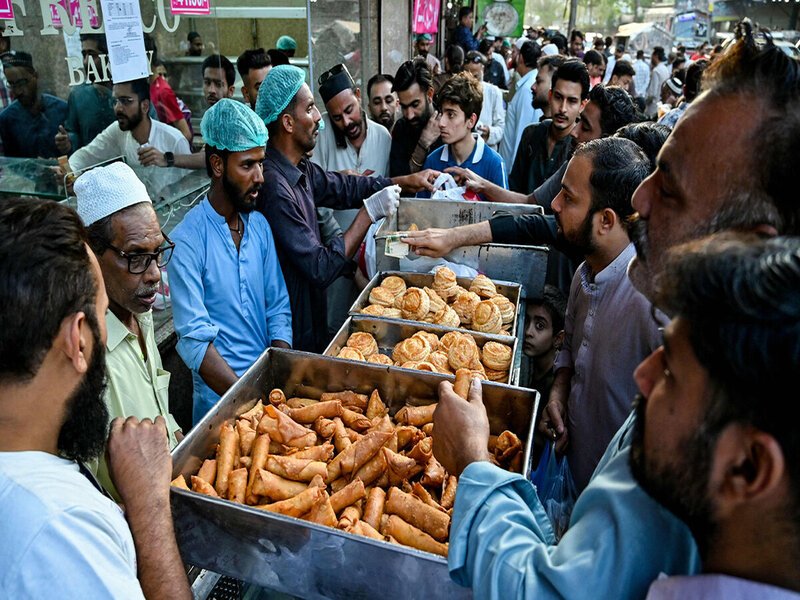
Alongside rice, several other food categories also posted strong export growth. Shipments of flour and meat and fish pellets surged by 56 percent, while prepared food products saw an exceptional jump of 254 percent, indicating growing acceptance of processed and value-added Pakistani food items. Exports of fruits and vegetables also increased significantly, albeit from a relatively small base, showing early signs of diversification beyond traditional commodity exports.
Industry experts say the upward trend is driven by better processing standards, improved packaging, and increased compliance with Chinese import regulations. Pakistani exporters have also adapted to changing consumer preferences in China, where demand is steadily shifting toward quality-certified, hygienically processed, and conveniently packaged food products. Enhanced cooperation under bilateral trade frameworks has further supported this momentum.
Looking ahead, sustained growth in food exports to China will depend on investments in cold-chain logistics, greater standardization across supply chains, and stronger product traceability systems. These measures will help Pakistani exporters scale up value-added food shipments, meet stringent quality requirements, and build long-term partnerships with Chinese importers. With continued improvements, Pakistan is well positioned to expand its footprint in China’s vast food market and further strengthen bilateral trade relations.