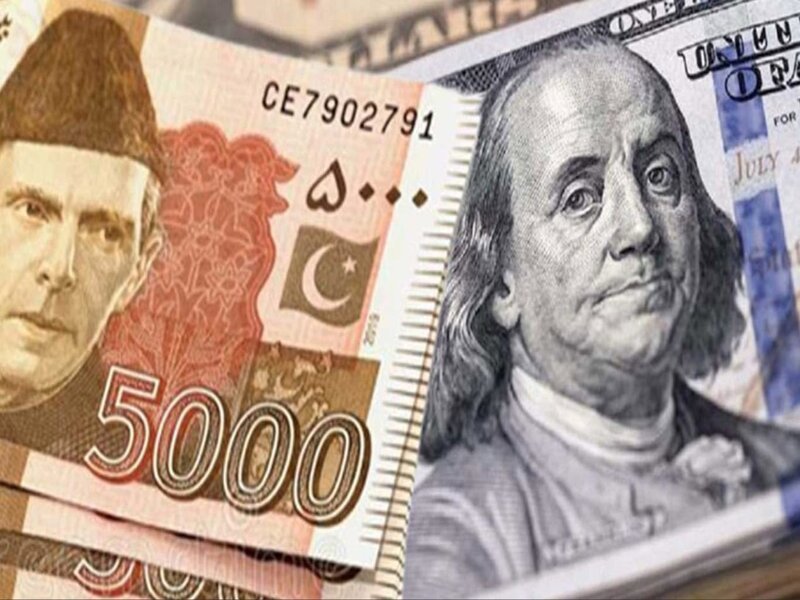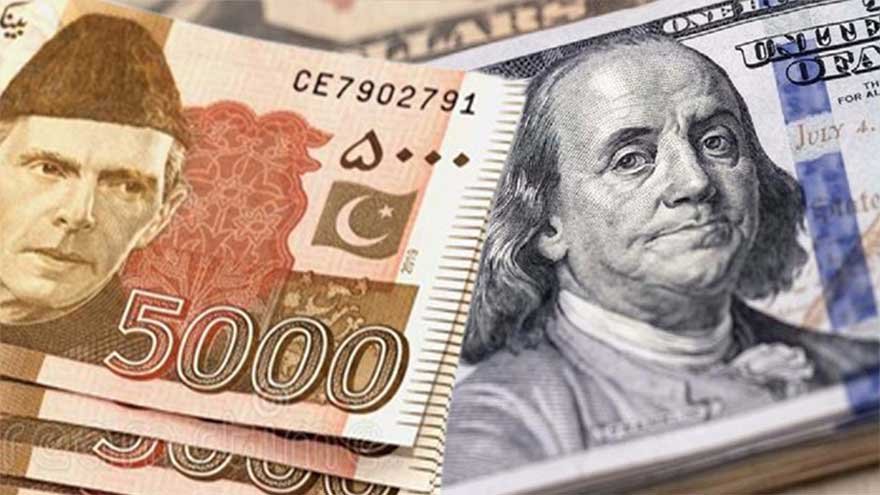

The Pakistani rupee has continued its upward momentum in 2026, extending its winning streak against the US dollar to 81 consecutive trading days, reflecting sustained exchange rate stability after years of volatility. In the interbank market, the rupee closed at PKR 279.95 per dollar, posting a marginal gain of one paisa. While the daily movement appears minor, the broader trend highlights consistent appreciation that carries significant implications for inflation management, import costs, and overall investor confidence.
Maintaining gains over nearly three months signals a level of currency stability that Pakistan has struggled to achieve in recent years. Market analysts note that currency markets tend to reward consistency more than sharp, short-term movements. The prolonged streak indicates improved dollar availability, controlled import payments, reduced speculative activity, and stronger confidence in market mechanisms. The interbank market, closely overseen by the State Bank of Pakistan, has shown disciplined behavior, suggesting that the rupee’s performance is driven by fundamentals rather than artificial intervention.
Beyond the US dollar, the rupee has shown mixed but largely positive movement against other major currencies. It recorded notable gains against the British pound and the euro, supporting stability in import-related costs. The rupee strengthened by over one rupee against the pound and by more than fifty paisas against the euro across recent sessions. However, it experienced minor losses against the Australian dollar and the Chinese yuan, largely due to global commodity trends and marginal currency fluctuations.
Several factors are supporting the rupee’s strength in 2026. Improved dollar inflows from worker remittances and export proceeds have eased pressure on foreign exchange reserves, while controlled external payments and adherence to IMF-linked policy discipline have reinforced confidence. Additionally, stricter action against illegal currency trading has reduced volatility by shifting flows back into formal banking channels, limiting the influence of the grey market.
Import compression policies have also played a role by curbing demand for foreign currency through reduced non-essential imports. Although controversial, these measures have proven effective in maintaining short-term exchange rate stability. A stable rupee has helped contain imported inflation, stabilize fuel prices, lower food supply costs, and improve price predictability for businesses.
For importers, currency stability allows better inventory planning and lower hedging costs, while exporters face slight pressure on margins but benefit from reduced exchange rate uncertainty. Consumers, meanwhile, experience slower increases in the prices of essential goods and fuel-related items, contributing to improved economic sentiment.
Looking ahead, analysts suggest the rupee may remain range-bound near the 280 level against the dollar in the short term if current conditions persist. However, medium-term risks remain, including potential increases in global oil prices, external debt repayments, and shifts in international interest rates. Sustained stability will depend on continued fiscal discipline and coordinated monetary policy.
Overall, the rupee’s 81-day winning streak is less about incremental daily gains and more about restored calm, renewed confidence, and policy consistency shaping Pakistan’s currency outlook in 2026.