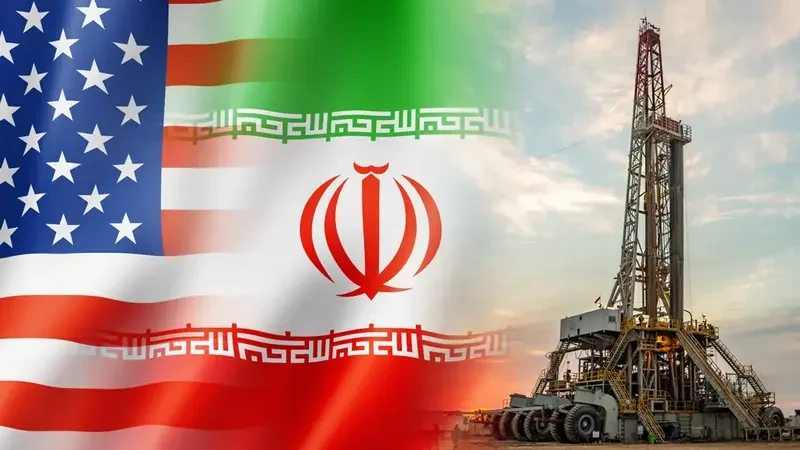
Oil prices declined sharply on Monday after comments from US President Donald Trump signaled a possible easing of tensions between Washington and Iran, reducing fears of supply disruptions involving a key OPEC member. The drop came after weeks of gains driven by geopolitical risk, which had pushed crude prices to multi-month highs.
Brent crude futures fell by more than 4 percent to around $66.51 per barrel, while US West Texas Intermediate crude also slid about 4 percent to roughly $62.51 per barrel in early trading. The decline marked a significant reversal from the previous sessions, when Brent reached a six-month high and WTI traded near its strongest level since late September amid escalating US-Iran tensions.
Throughout January, persistent warnings from President Trump about potential military action against Iran, unless it agreed to a nuclear deal or halted its crackdown on protesters, had supported oil prices by adding a geopolitical risk premium. Analysts noted that these concerns were a major factor behind the recent rally in crude markets.
The latest pullback was further reinforced by renewed strength in the US dollar, which typically pressures oil prices by making dollar-denominated commodities more expensive for buyers using other currencies. This combination of easing political risk and currency effects contributed to profit-taking after last week’s surge.
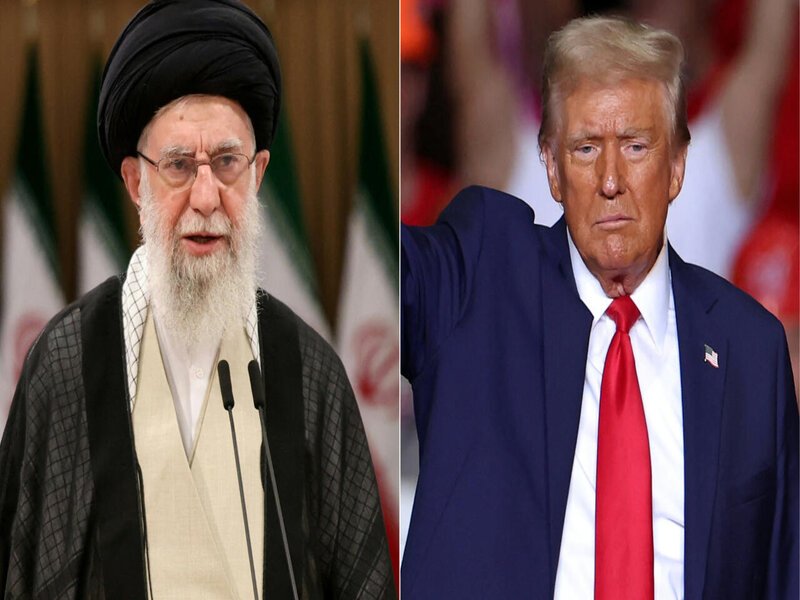
Market sentiment shifted after Trump said over the weekend that Iran was “seriously talking” with the United States, echoing earlier statements from senior Iranian officials that preparations for negotiations were underway. Additional reassurance came from reports indicating that Iran’s Revolutionary Guards had no plans to conduct live-fire naval exercises in the Strait of Hormuz, a critical global oil shipping route.
Analysts said these developments were interpreted by markets as signs of de-escalation, prompting traders to unwind positions built on fears of conflict. With the immediate threat of confrontation appearing to ease, the geopolitical premium that had been priced into crude during the recent rally began to fade.
Adding to the pressure, OPEC+ decided at its latest meeting to keep oil output unchanged for March. The group has already frozen previously planned production increases through March 2026, citing seasonally weaker demand and adequate global supply.
Despite ongoing geopolitical uncertainties, some analysts believe the broader oil market remains fundamentally bearish. With supply well supported and past conflicts having only short-lived impacts on prices, expectations are growing that crude markets could face downward pressure toward the end of 2026 if tensions continue to ease and demand growth remains moderate.