
The University of Peshawar (UoP) has announced the closure of nine undergraduate departments starting from the Fall 2025 semester due to persistently low admission numbers. According to an official notification, the affected BS programs include Development Studies, Geography, Geology, History, Social Anthropology, Statistics, Logistics and Supply Chain Analytics, Human Development and Family Studies, and Home Economics. Each of these departments failed to meet the university’s minimum enrollment requirement of 15 students. Enrollment data revealed a significant decline in student interest across these disciplines. Only one student applied for BS Human Development and Family Studies, while two applications each were received for Development Studies, Logistics and Supply Chain Analytics, and Home Economics. The highest number was recorded in Geology, which received just 14 applications. To protect students already enrolled or admitted, the university stated that the Directorate of Admissions would assist them in selecting alternative programs. Sources within the university cited a widening gap between academic offerings and job market needs as a key reason for the declining interest. While departments such as Pharmacy, English, Computer Science, Law, and Political Science continue to maintain strong admissions, traditional disciplines have seen a steady fall in applicants. Academician Yousaf Ali criticized the university’s administration for not updating its curricula to match evolving industry standards. He added that rising tuition fees, coupled with the expansion of public and private sector universities offering more affordable BS programs, have diverted prospective students elsewhere. Provincial data further highlights a broader concern: overall higher education enrollment in Khyber Pakhtunkhwa has dropped from 160,000 in 2022 to 155,000 in 2025. Education experts argue that this trend reflects a systemic need for reform, including curriculum modernization, enhanced career counseling, and alignment of university programs with employability and market-driven skills. The closure of these nine departments underscores growing challenges faced by traditional academic fields in Pakistan’s higher education landscape, where relevance, affordability, and employability have become key factors influencing student choices.
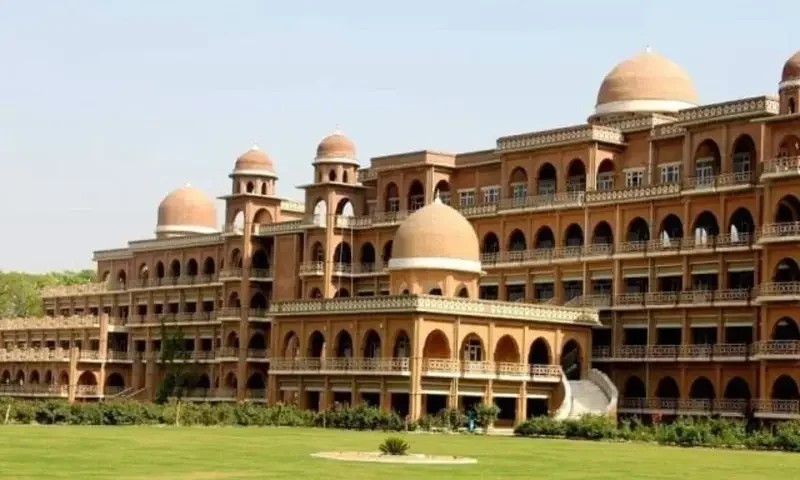
University of Peshawar to Shut Down Nine BS Programs Over Low Student Enrolment
29 October, 2025 0 27Similar news
-

Bank of Khyber: Building Momentum with Consistent Performance on PSX
30 September, 2025 -

-

FBR Likely to Extend Tax Return Deadline
30 September, 2025 -

-

Publications
-

Benazir Wazifa Payment of 4,500 for Needy Children – Latest Update 2026
03 February, 2026 1 24 -

-

Driving License Renewal Fees Updated for 2026 – Complete Guide
03 February, 2026 0 14 -

Good News: BISP Sahulat Account Launches in 2026 – Complete Registration Guide
03 February, 2026 0 13 -

Parents Advised: NADRA B-Form Registration for Newborns Mandatory in 2026
03 February, 2026 0 7
Health
-
13 Lahore Hospitals Placed on High Alert Ahead of Basant
03 February, 2026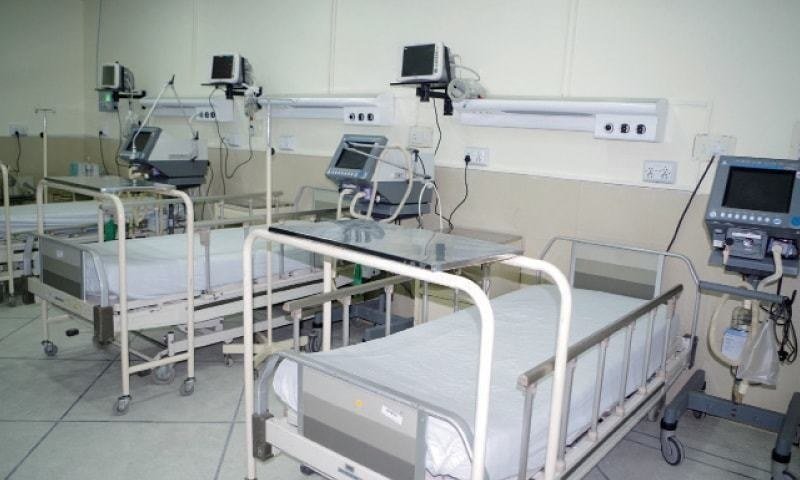
The Punjab Health Department has placed 13 government hospitals in Lahore on high alert ahead of
More details ... -
Pakistan Accelerates Local Vaccine Manufacturing to Boost Health Security
02 February, 2026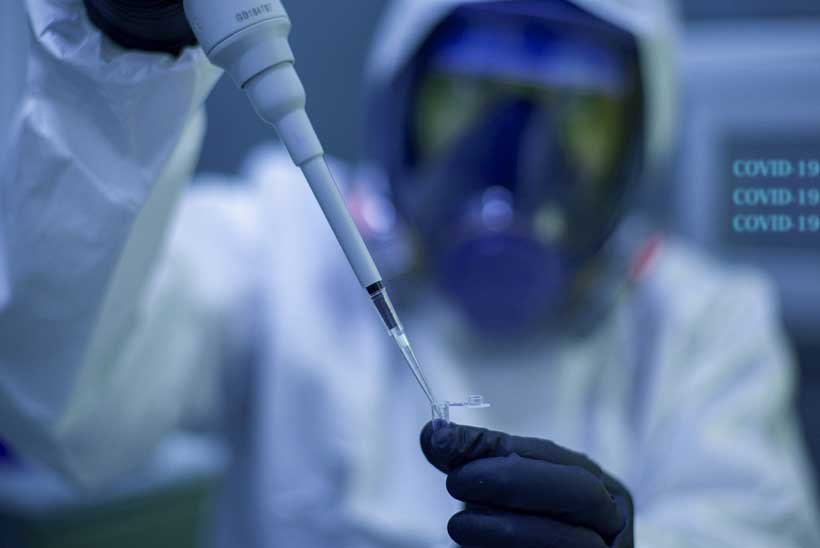
Pakistan is moving closer to domestic vaccine manufacturing as an eleven-member high-level
More details ... -
Experts Warn Against Using This Injection for Vitamin B12 Deficiency
31 January, 2026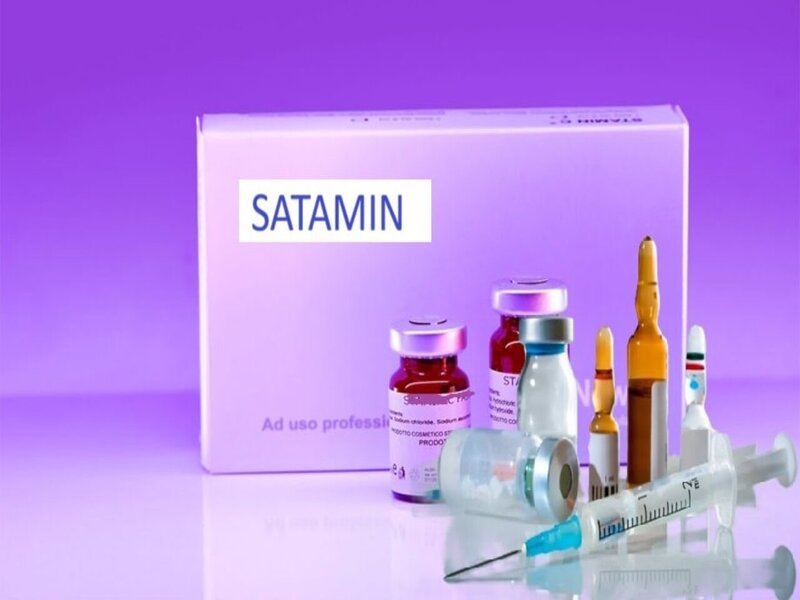
The Directorate of Drugs Control Punjab has issued an urgent recall alert, ordering the immediate
More details ... -
Government Accused of Misleading Public on Sehat Card Panel Hospitals
31 January, 2026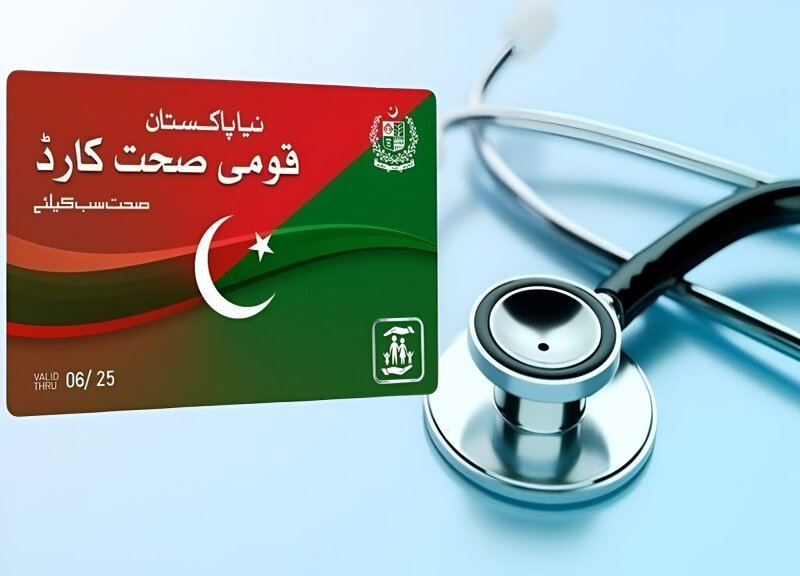
Information published under the Prime Minister’s National Health Program has raised concerns after
More details ... -
Sindh Government Issues Health Advisory Over Nipah Virus Risk
31 January, 2026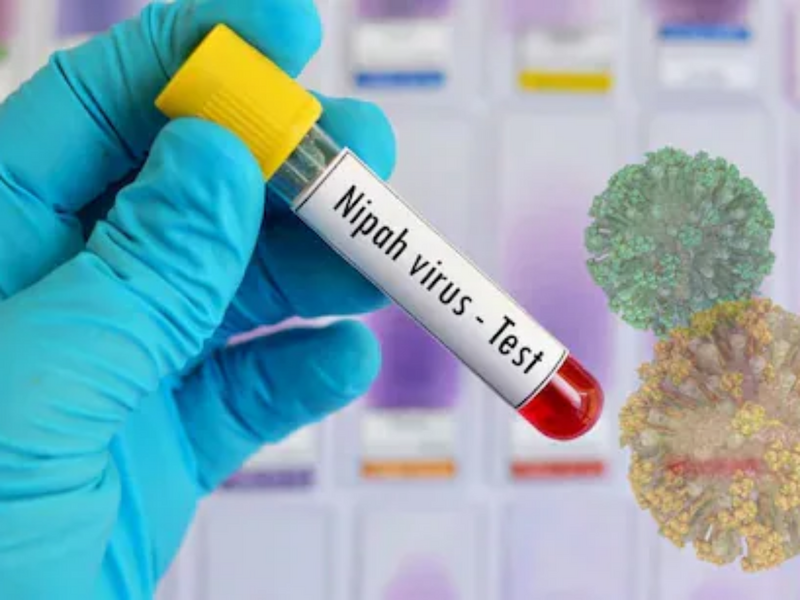
Following reports of Nipah virus cases in India, the Director General of Health Sindh has issued a
More details ...
Cars
-

Chery Tiggo 8 PHEV Price Hiked in
03 February, 2026 -
Rawalpindi Expands Driving Test
01 February, 2026 -

Major Punjab Division to Receive 114
01 February, 2026 -

Sindh Introduces New Vehicle Fitness
01 February, 2026
Readable
+-

Sindh Reveals Launch Date of Pink Taxi Scheme for Women
29 September, 2025 0 127 -
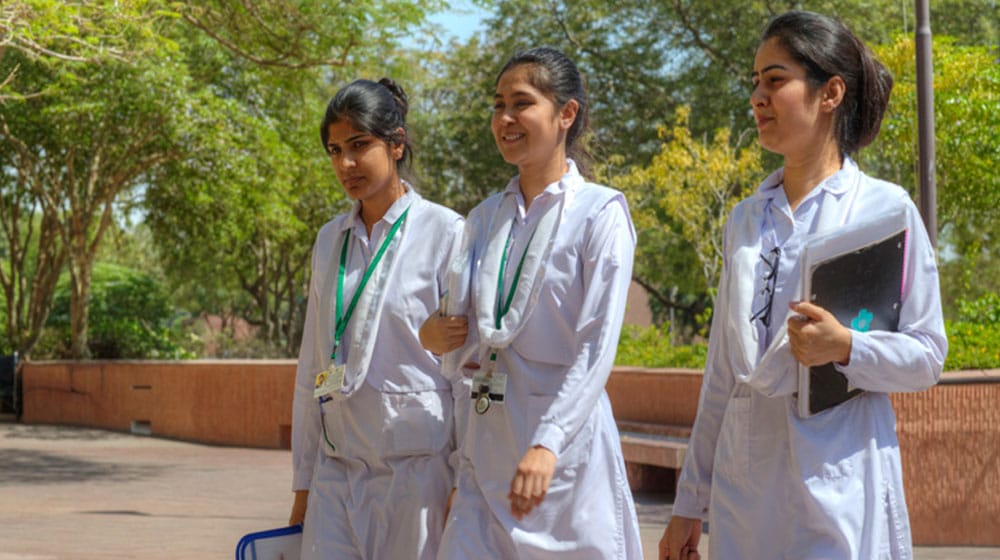
PNMC Warns Against 38 Fake Nursing Colleges in Pakistan
30 September, 2025 1 112 -

EOBI Pension Update 2025: Benefits, Amount, Eligibility, & How to Check Online
17 October, 2025 0 86 -

Benazir Taleemi Wazaif Check Online by CNIC 2026 — Complete Status & Payment Guide
22 January, 2026 1 77 -

FBR Under Pressure as Tax Return Filings Fall to Less Than Half of Last Year
30 September, 2025 0 76
Rating
+-

Tourist Spot is Set to Receive Green Line Bus and Train Service
02 October, 2025 0 76 -

Get a Brand New HP Laptop in Pakistan for Only Rs. 10,000
03 January, 2026 1 33 -

-
PSER Survey 2026: Online Registration Open for Ramzan Package & Free Atta Ration
22 January, 2026 0 34 -
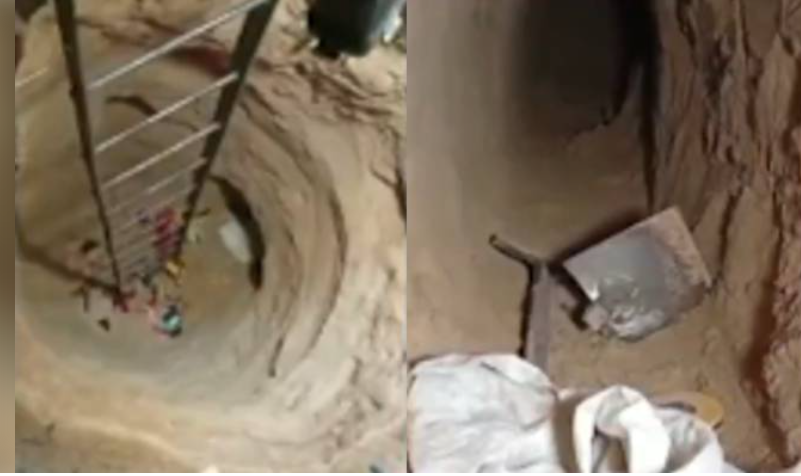
Four Arrested in Karachi After Foiled Attempt to Steal Oil from Parco Pipeline
25 December, 2025 0 9
-

-

NADRA Simplifies Process for Obtaining Birth and Death Certificates Across Pakistan
13 October, 2025 3 44 -

Punjab Driving License Without Test: Official Clarification & Risks
24 January, 2026 2 30 -
PNMC Warns Against 38 Fake Nursing Colleges in Pakistan
30 September, 2025 1 112 -

Latest
-

-

Pakistan Railways Suspends Quetta Train Services Over Security Concerns
-
Benazir Wazifa Payment of 4,500 for Needy Children – Latest Update 2026
-

-
-
Driving License Renewal Fees Updated for 2026 – Complete Guide