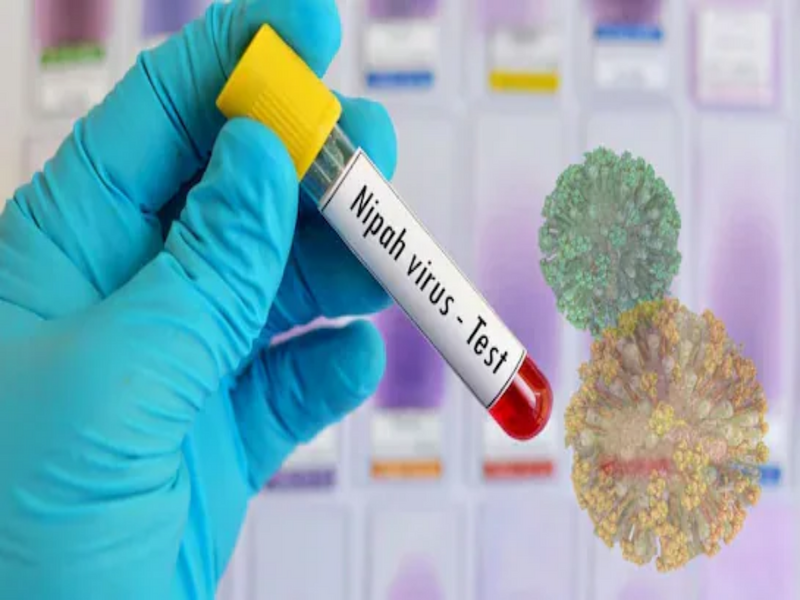
The World Health Organization (WHO) has assessed the risk of the deadly Nipah virus spreading as low, following the recent confirmation of three cases in India and Bangladesh. Nipah, a virus transmitted from animals to humans, carries a high fatality rate of 40 to 75 percent and currently has no available vaccine. WHO Director-General Tedros Adhanom Ghebreyesus noted that the recent cases—two in India’s West Bengal state and one fatal case in Bangladesh—have raised concerns but do not indicate a wider outbreak.
The outbreaks in India and Bangladesh were unrelated, although both occurred along the India–Bangladesh border and involved similar ecological conditions, including populations of fruit bats, which are known natural reservoirs of the Nipah virus. Nipah was first identified in Malaysia in 1998 among pig farmers, with India reporting its first outbreak in West Bengal in 2001. Subsequent outbreaks in India include Kerala in 2018, which resulted in 17 deaths, and two deaths in 2023 in the same state.
Symptoms of Nipah virus infection include high fever, vomiting, and respiratory illness, with severe cases potentially causing seizures, brain inflammation, and coma. Despite its high mortality rate, WHO has indicated that the overall regional and global risk of spread remains low due to the limited number of cases and localized nature of the outbreaks.