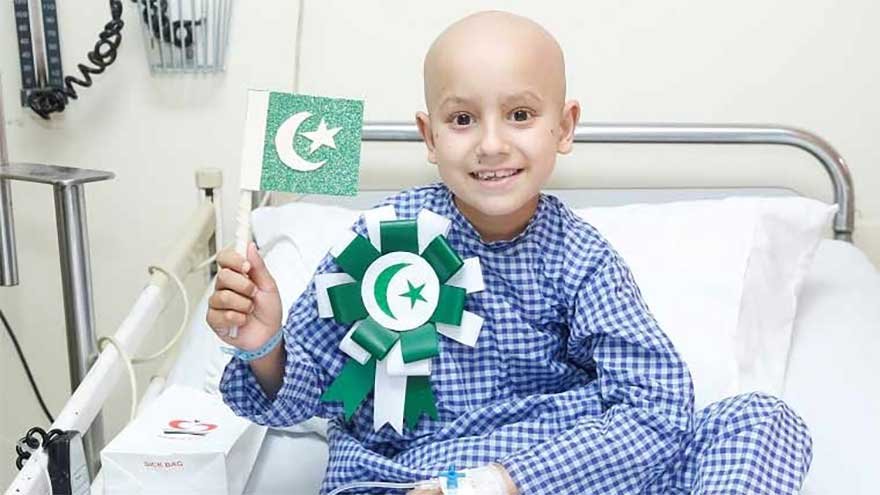
Around 10,000 children are diagnosed with cancer in Pakistan each year, yet fewer than 30 percent survive due to delayed diagnosis, limited pediatric oncology facilities, and financial constraints, health experts said during an awareness session organized by Indus Hospital & Health Network.
Speaking at the “Health Wise” session on childhood cancer awareness, specialists highlighted that nearly 400,000 children and adolescents worldwide are diagnosed with cancer annually, with approximately 80 percent of cases occurring in low- and middle-income countries. While survival rates in high-income nations exceed 80 to 85 percent, outcomes in developing countries such as Pakistan remain significantly lower because of late detection, inadequate supportive care, and limited access to specialized treatment centers.
Dr. Naeem Jabbar, Consultant Pediatric Haematology-Oncology, emphasized that most childhood cancers are treatable and potentially curable if identified early. He explained that, unlike many adult cancers, childhood cancers are generally not linked to lifestyle or environmental factors. With timely and appropriate medical intervention, cure rates can reach up to 85 percent.
Experts noted that poor survival rates in Pakistan are primarily driven by delayed recognition of early warning signs, a shortage of trained pediatric oncology specialists, insufficient supportive care infrastructure, high treatment costs, and treatment abandonment due to financial hardship.
The most common types of childhood cancer in Pakistan include leukemia, lymphoma, brain and spinal tumors, bone tumors, soft tissue sarcomas, neuroblastoma, Wilms tumor, and retinoblastoma. Standard treatment options such as chemotherapy, surgery, and radiotherapy are available and can be highly effective when initiated promptly.
Responding to questions from the media, Dr. Shumail Ashraf, Consultant Pediatric Oncology and Executive Director of the Medical Services Directorate, said late presentation remains the most critical challenge in improving childhood cancer survival rates. He shared that the Pediatric Hematology-Oncology Department in Karachi registers around 1,000 new cases annually. Since 2014, more than 16,000 children have received treatment, and approximately 1,300 patients are undergoing active treatment at any given time.
Dr. Muhammad Rafi Raza, Consultant Pediatric Oncology, addressed common misconceptions surrounding pediatric cancer. He clarified that childhood cancer is not contagious and cannot spread through physical contact. He also stressed that a cancer diagnosis does not equate to a death sentence, particularly when early diagnosis and evidence-based treatment protocols are followed.
Health experts concluded by underscoring the importance of early detection, public awareness, and timely referral to specialized centers. They urged parents, teachers, healthcare providers, and media professionals to promote awareness of childhood cancer symptoms to ensure that every child in Pakistan has an equal opportunity for survival and recovery.