Pakistan Signals Further Petrol Price Relief as Global Oil Costs Fall
Petroleum Minister Ali Pervaiz Malik says falling international oil prices will be passed on to consumers, as local refineries absorb a Rs. 15 per litre increase and the PM's fuel relief scheme crosses 15 million registrations.

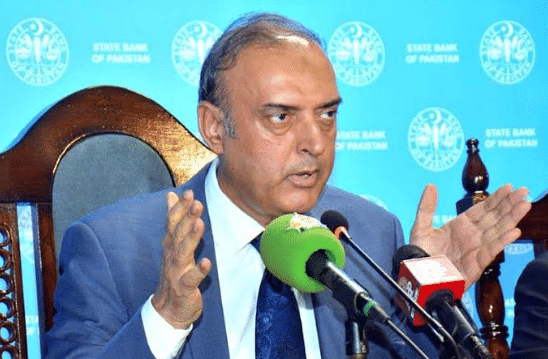
Pakistan's government has indicated that consumers could see further reductions in fuel prices as international oil costs decline, according to statements from Petroleum Minister Ali Pervaiz Malik during a press conference in Islamabad. The minister said the benefit of falling global prices would be transferred to the public, with an official announcement expected soon.
Malik said local oil refineries have agreed to absorb roughly Rs. 15 billion per month to keep petrol priced about Rs. 15 per litre below international rates. A Rs. 15 per litre increase had been due on Friday, but refineries consented to absorb it after earning strong profits from higher throughput over the past three months. The arrangement operates under the government's new petrol pricing formula and will run for 30 days.
The minister noted that petrol import premiums climbed from about $5 per barrel before the war to $20, with some Pakistan State Oil tenders reaching $25 to $30. Around 70 percent of the country's petrol is imported, making global market movements a key factor in domestic pricing.
Information Minister Attaullah Tarar said more than 15 million people have registered for the Prime Minister's Fuel Relief Scheme, which has delivered Rs. 27 billion in relief to motorcyclists, rickshaw drivers and owners of cars up to 800cc. He also confirmed there is no fuel shortage in the country.
Some relief has already materialised. From November 3, petrol prices fell by Rs. 3.40 to Rs. 374.51 per litre, while diesel dropped by Rs. 7.76 to Rs. 395.20. For a motorcyclist using 20 litres a month, the Rs. 15 hike absorbed by refineries would have meant Rs. 300 in additional monthly costs.
The refinery arrangement is temporary, however, and follows a period in which refineries were made to pay to keep prices unchanged. If global prices continue to decline, further cuts could follow, offering ongoing relief to consumers and businesses alike.