SNGPL Restricts Winter Gas Supply to Three Daily Slots in Islamabad, Punjab and KP
Sui Northern Gas Pipelines Limited has introduced a winter load management schedule limiting household gas to three cooking-time windows a day, as declining LNG availability and rising seasonal demand strain the national supply system.
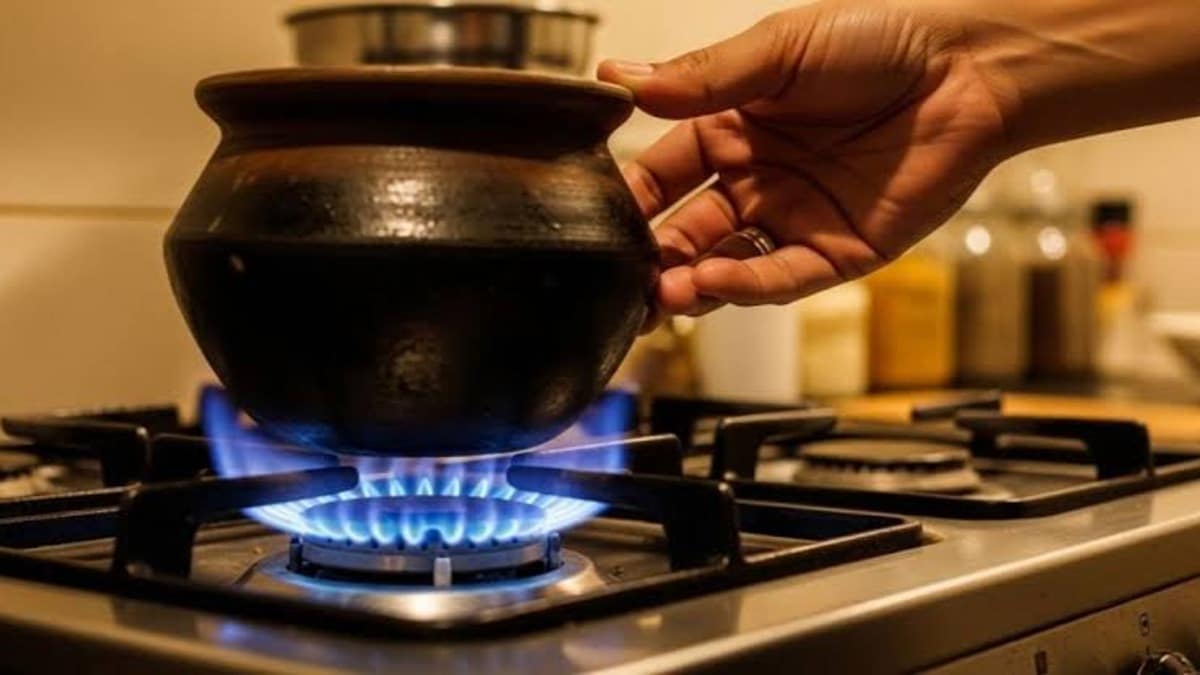
Sui Northern Gas Pipelines Limited (SNGPL) has rolled out a winter gas load management schedule for domestic consumers across Islamabad, Punjab and Khyber Pakhtunkhwa, capping household supply at three daily cooking-time windows beginning Wednesday, November 4.
Under the revised arrangement, homes will receive gas from 6:30 a.m. to 9:00 a.m., from 12:00 p.m. to 2:30 p.m., and from 6:00 p.m. to 9:00 p.m. The plan reflects the government's decision to give priority to residential users as shrinking liquefied natural gas (LNG) availability and higher winter demand place growing pressure on the country's gas supply chain.
The compressed natural gas (CNG) sector is also absorbing cuts. SNGPL has lowered supplies to CNG stations from 50 million cubic feet per day (mmcfd) to 35 mmcfd and intends to suspend deliveries altogether in the coming days. The cement industry has already moved to coal as its primary fuel, while industrial consumers attached to the distribution network continue to face reduced supplies.
Figures shared by the utility show that industries connected directly to the transmission network, spanning both export-oriented and non-export sectors, are currently receiving around 200 mmcfd. The power sector is drawing approximately 140 mmcfd, and the fertiliser industry is getting about 53 mmcfd. Officials have indicated that further reductions in industrial gas allocations remain possible as the winter season progresses.
The schedule signals a difficult balancing act for policymakers, who must protect household heating and cooking needs while keeping export-focused factories and power generation supplied. Any additional cuts to industry could weigh on output and exports, while the declining LNG inflows leave limited room to ease the restrictions unless fresh cargoes are secured.