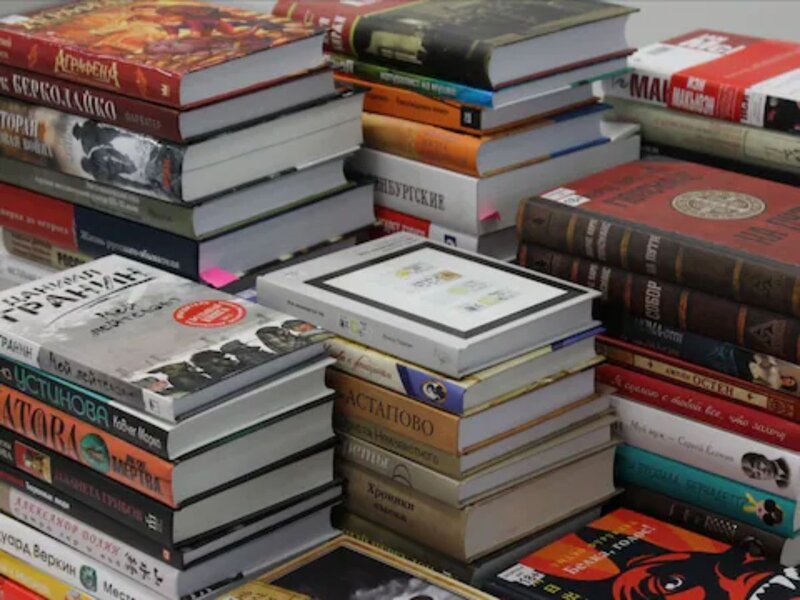
At the recent Lahore Book Fair, the sales figures revealed a striking disparity: while food vendors sold over 2,000 items, book stalls managed to move only 35 titles. This dramatic difference has reignited a broader conversation about reading habits and the changing nature of cultural events in Pakistan.
Many visitors noted that the fair felt more like a social outing or food festival than a literary event, with vibrant stalls offering snacks, drinks, and street food dominating foot traffic. While the fair still provided access to local and international books, the excitement around culinary offerings appeared to overshadow the literary aspect.
Critics argue that such trends reflect a worrying shift in public interest, particularly among younger generations, who increasingly favor entertainment and instant gratification over reading. Others suggest that it’s less about declining interest in books and more about the way book fairs are marketed and organized—perhaps lacking the interactive sessions, author meet-and-greets, or engaging activities that could attract readers.
Despite the low book sales, organizers see potential in rethinking the format of book fairs, integrating technology, interactive workshops, and youth-centric programs to make literature more appealing. The Lahore Book Fair serves as a reminder that while culture and entertainment often go hand in hand, preserving spaces that encourage reading remains vital for fostering a literate and informed society.
This gap between book and food sales has sparked renewed discussions among educators, authors, and policymakers about how to rekindle public interest in reading and make literary events as engaging as the attractions that currently dominate them.