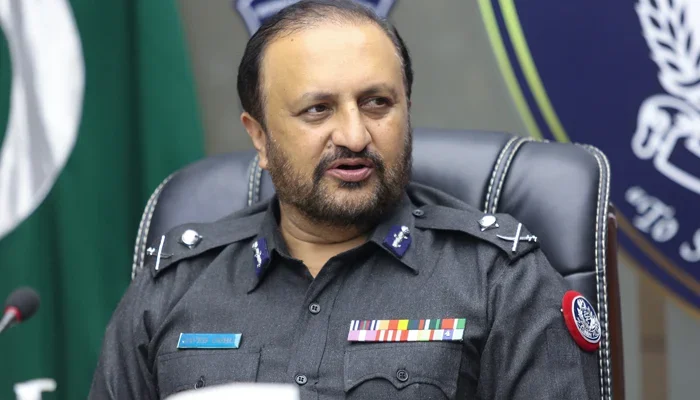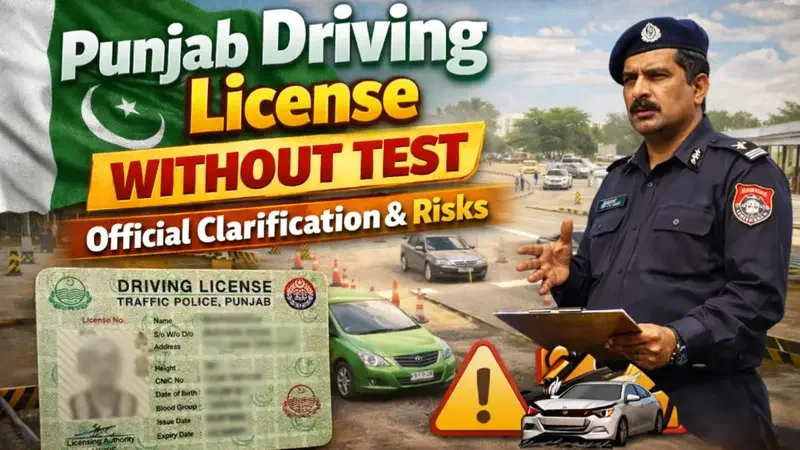
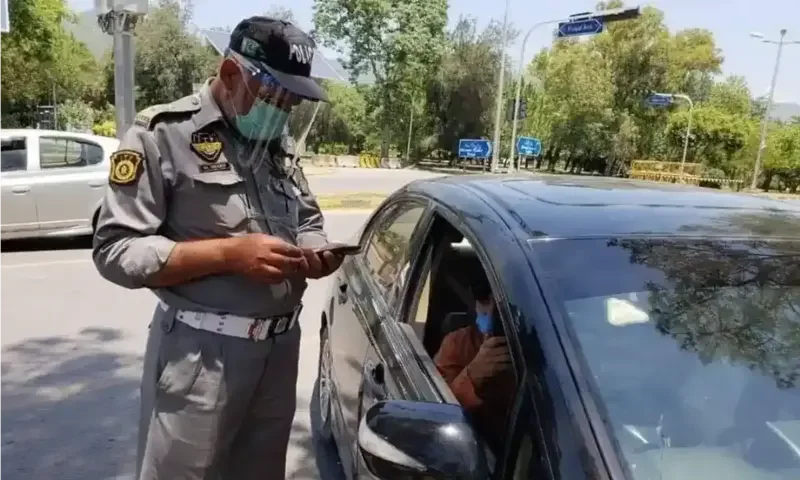
Punjab authorities have launched one of the most extensive traffic enforcement operations in the province’s history, conducting a highly coordinated 48-hour crackdown that resulted in over 76,000 challans issued across major cities and highways. The operation, led by the Punjab Traffic Police under the guidance of senior officials, targeted a wide range of traffic violations, including overspeeding, signal jumping, illegal parking, use of mobile phones while driving, and violations by public transport and commercial vehicles.
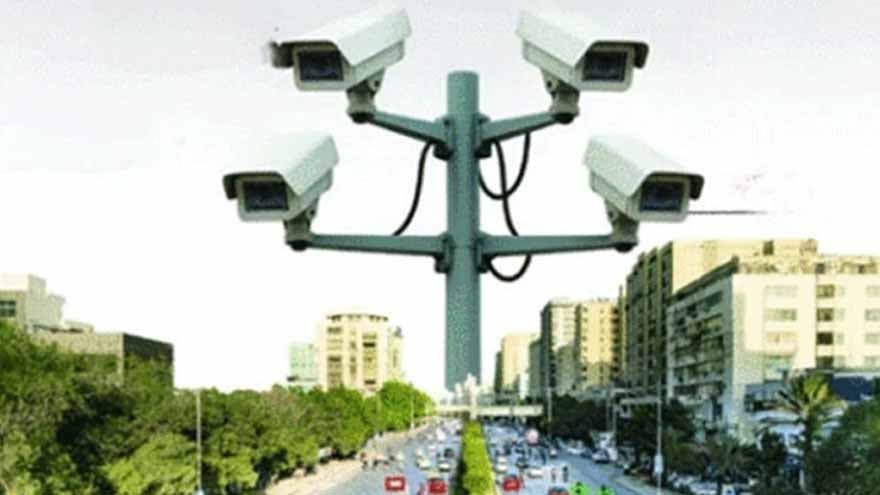
The campaign aimed to reinforce road safety awareness among drivers while curbing reckless driving and ensuring compliance with traffic regulations. Checkpoints and mobile patrolling units were deployed strategically across high-risk zones, intersections, and arterial roads to monitor vehicle movement. Advanced radar guns and surveillance cameras were used to detect overspeeding and other infractions, ensuring that enforcement was both strict and transparent.
Traffic police officials emphasized that the crackdown applied to all vehicles, including private cars, commercial transport, and public service vehicles, underscoring the government’s commitment to impartial enforcement. Notably, the authorities stated that no vehicle is exempt from traffic rules, and even high-profile vehicles would face challans if found in violation.
This large-scale operation also involved the use of electronic challan systems, which streamlined the issuance process and minimized human error or manipulation. In addition to penalizing violators, authorities used the campaign as an opportunity to educate drivers about road safety, defensive driving, and the consequences of traffic negligence.
The Punjab government indicated that such intensive traffic enforcement drives will be carried out regularly in the future to maintain discipline on roads and reduce the incidence of accidents. Early reports suggest that the 48-hour operation not only resulted in significant challan issuance but also contributed to smoother traffic flow in densely populated areas. The campaign is seen as a major step toward improving commuter safety, reducing congestion, and instilling a culture of responsible driving throughout the province.