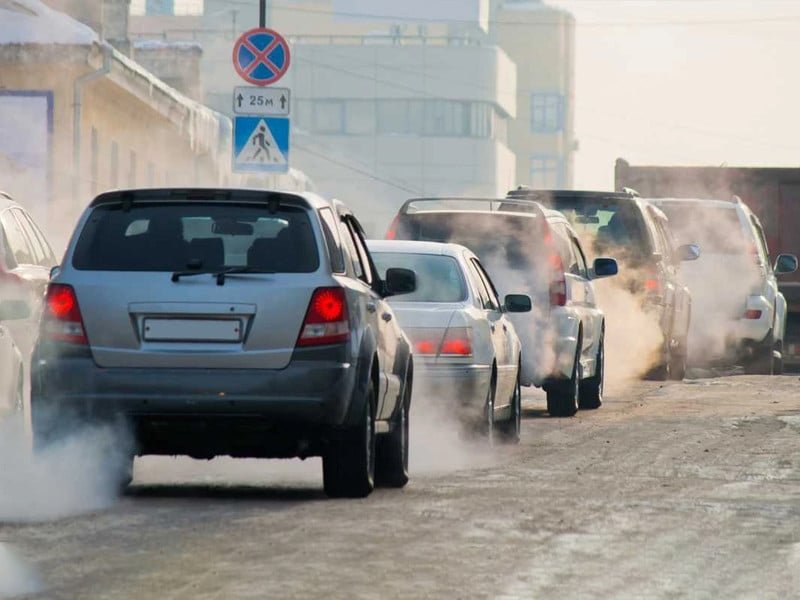
Authorities in Islamabad have stepped up enforcement against smoke-emitting vehicles as part of a broader effort to tackle worsening air pollution, a move that has sparked frustration among drivers affected by the crackdown.
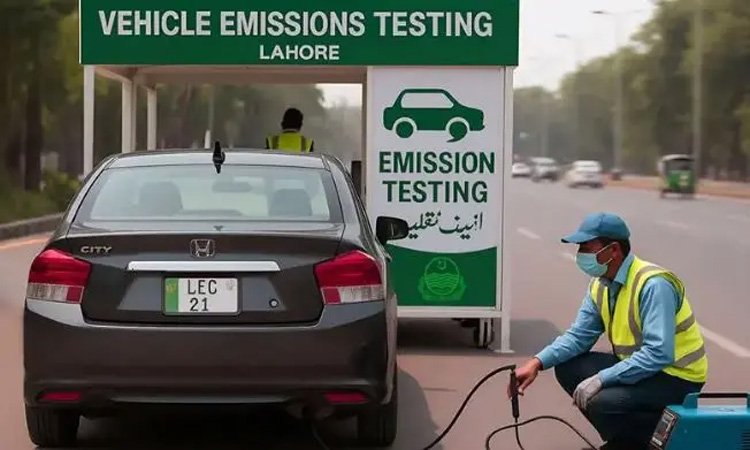
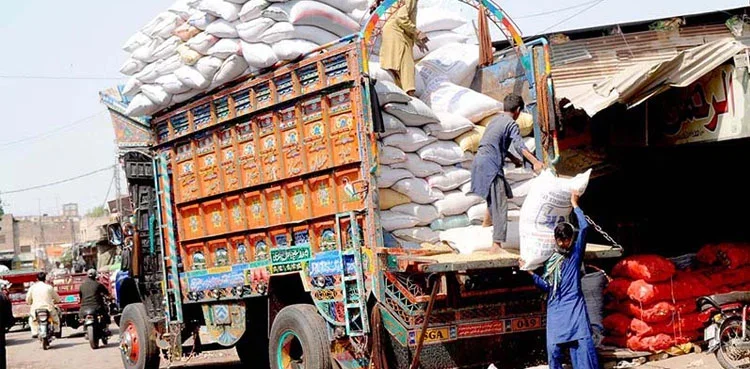
Truck driver Muhammad Afzal was surprised when police stopped him at one of the newly established checkpoints on the outskirts of the capital and issued him a fine of Rs1,000 for excessive diesel fumes. Afzal said he had just returned from Lahore after getting his vehicle repaired and felt the action was unjust. He claimed officials deliberately revved the engine to force smoke from the exhaust before penalising him, warning that his truck could be impounded if the issue was not fixed immediately.
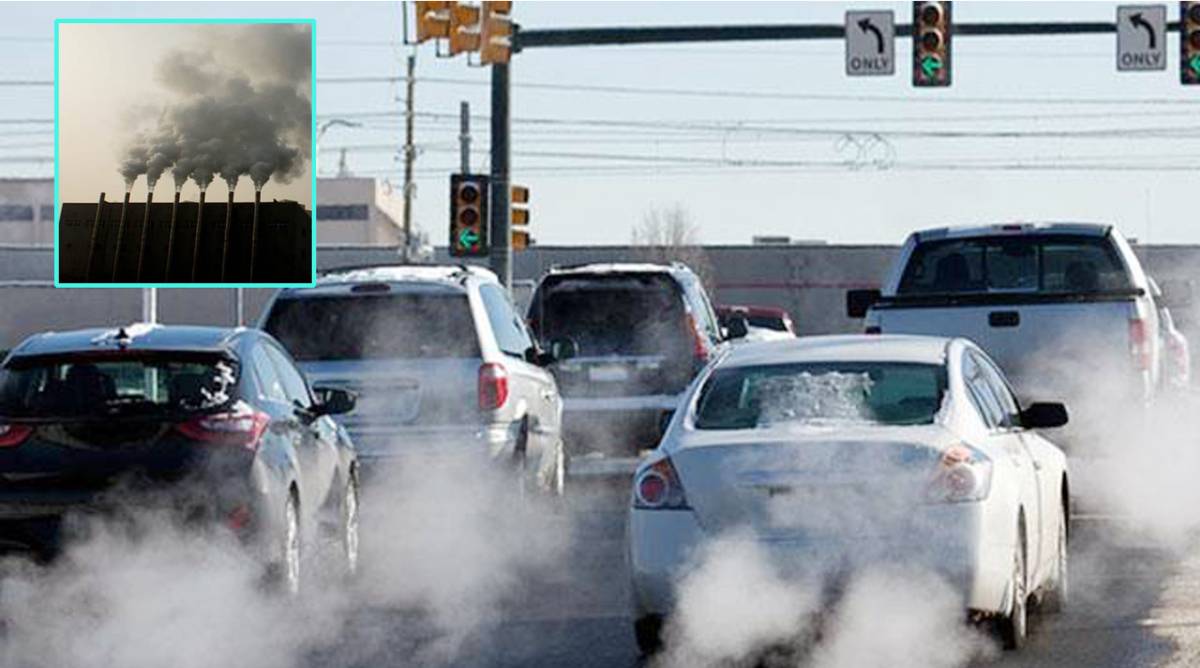
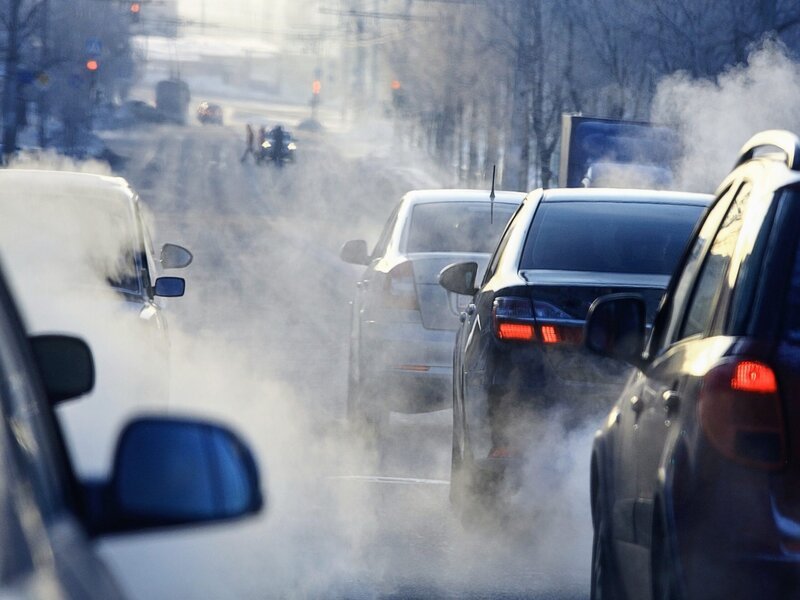
The checkpoints, set up earlier this month, are part of an aggressive anti-smog campaign launched as winter sets in. During colder months, atmospheric inversions trap pollutants close to the ground, significantly worsening air quality. Officials say transport emissions are a major contributor to the capital’s rising smog levels and cannot be ignored.
Dr Zaigham Abbas of the Pakistan Environmental Protection Agency said vehicle owners had already been warned of strict action. He stressed that authorities would not allow non-compliant vehicles to enter the city if they continued to violate environmental regulations. According to EPA officials, enforcement will intensify in the coming weeks as pollution levels are expected to rise further.
Technicians stationed at the checkpoints are inspecting vehicles for visible smoke and mechanical issues. Waleed Ahmed, one of the inspectors, explained that ageing vehicles pose a serious health risk. He compared vehicles to living beings, saying that once they exceed their operational life cycle, their emissions become dangerous for public health.
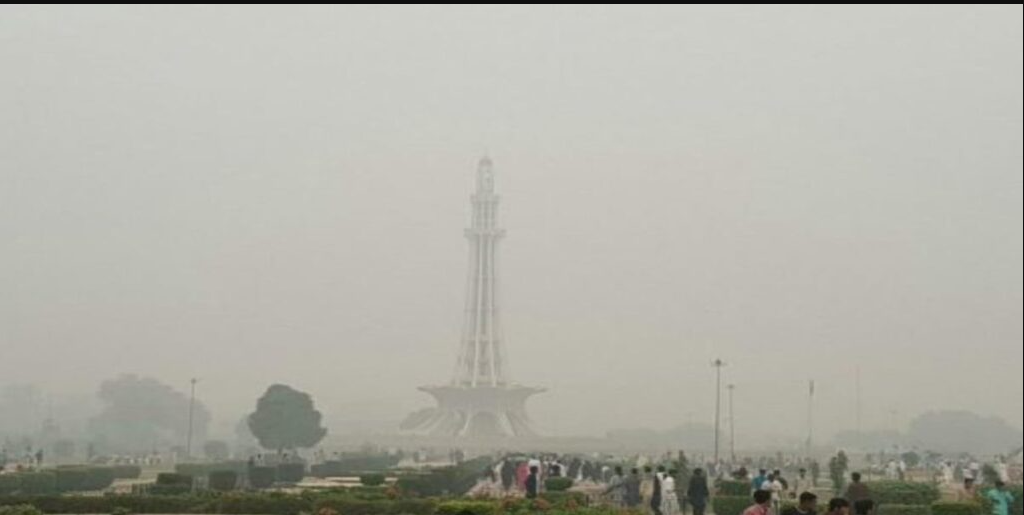
Although Islamabad has traditionally enjoyed better air quality than cities like Lahore and Karachi, officials warn that the gap is rapidly narrowing. Data from Swiss air quality monitoring firm IQAir shows that Islamabad has already recorded seven “very unhealthy” air quality days in December, with PM2.5 levels exceeding 150 micrograms per cubic metre.
Alarmingly, intraday PM2.5 concentrations in Islamabad have at times surpassed those in Lahore and Karachi. In 2024, the capital recorded an average annual PM2.5 level of 52.3 micrograms per cubic metre, higher than Lahore’s 46.2. These figures are more than ten times the safe limit of five micrograms recommended by the World Health Organization.
Environmental experts describe the situation as a self-inflicted crisis driven by unchecked vehicle emissions, urban expansion, and weak compliance with environmental standards. While many citizens support tougher enforcement to protect public health, others argue that sudden fines and impoundment threats place an unfair burden on transporters without offering practical solutions, such as affordable vehicle upgrades or repair support.
As Islamabad braces for the peak smog season, authorities maintain that strict enforcement is necessary to prevent the city from slipping further into hazardous air quality levels, even as debate continues over how to balance environmental protection with economic realities for drivers.