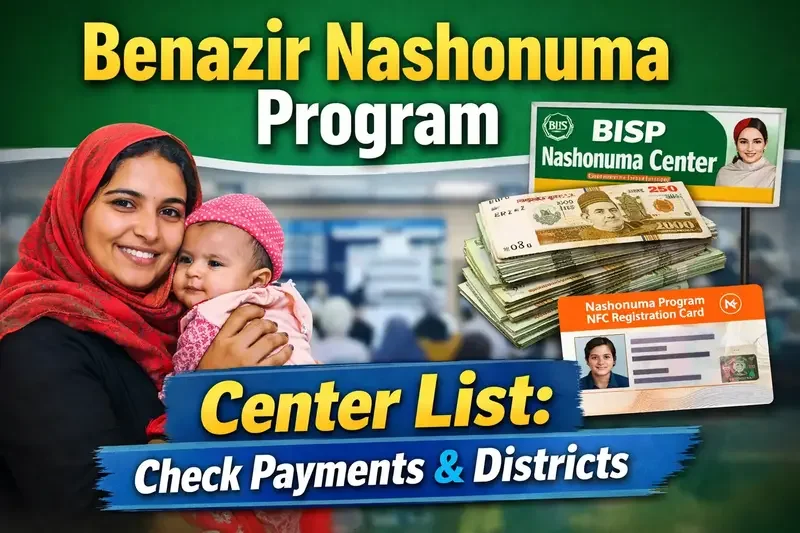
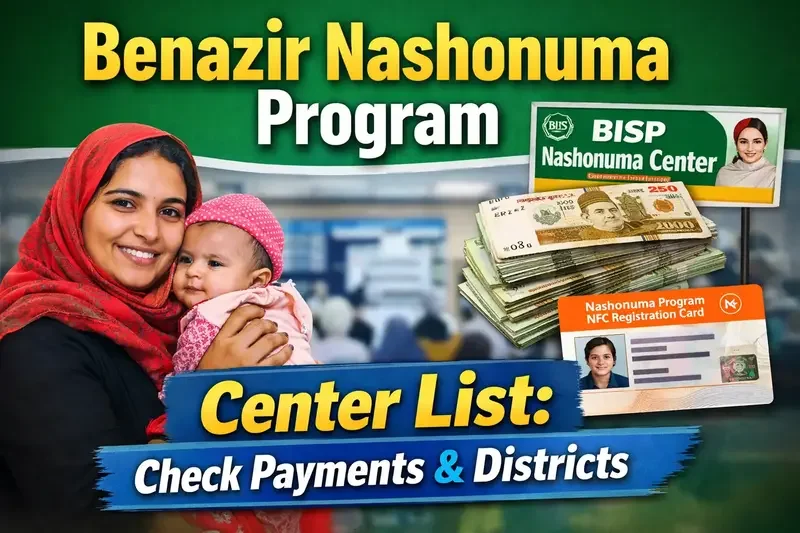
The Benazir Nashonuma Program 2026 is a conditional cash transfer initiative aimed at reducing child stunting and maternal malnutrition in Pakistan. The program is jointly implemented by the Benazir Income Support Programme and the World Food Programme and focuses on improving health and nutrition outcomes for pregnant women and children under the age of two. Unlike regular cash assistance schemes, financial support under this program is linked to health checkups, child immunization, nutrition counseling, and regular growth monitoring to ensure long-term physical and mental development during the critical first 1,000 days of life.
Under the Benazir Nashonuma Program, eligible families receive quarterly stipends based on beneficiary category. Pregnant women are provided PKR 2,000 per quarter, while families receive PKR 2,000 for a boy child and PKR 2,500 for a girl child every quarter. The higher stipend for girl children is intended to address gender disparities in nutrition and healthcare. In some districts, additional incentives are also offered for hospital-based deliveries to encourage safe childbirth practices.
Eligibility for the Benazir Nashonuma Program 2026 is limited to families already enrolled in the Benazir Kafaalat Program. The mother must be an active Kafaalat beneficiary, pregnancy must be medically confirmed, and the child must be under 23 months of age at the time of registration. A valid immunization record for the child is mandatory, and families receiving Kafaalat payments are given priority during enrollment to streamline the registration process.
Nashonuma services are provided through designated government healthcare facilities rather than a fixed downloadable district list. These facilities, known as Nashonuma Facilitation Centers, are primarily located in District Headquarter hospitals and Tehsil Headquarter hospitals. In selected areas, Rural Health Centers and specialized maternity units also offer Nashonuma services. Eligible families can visit their nearest government hospital and inquire at the Nashonuma or BISP desk to confirm availability in their district.
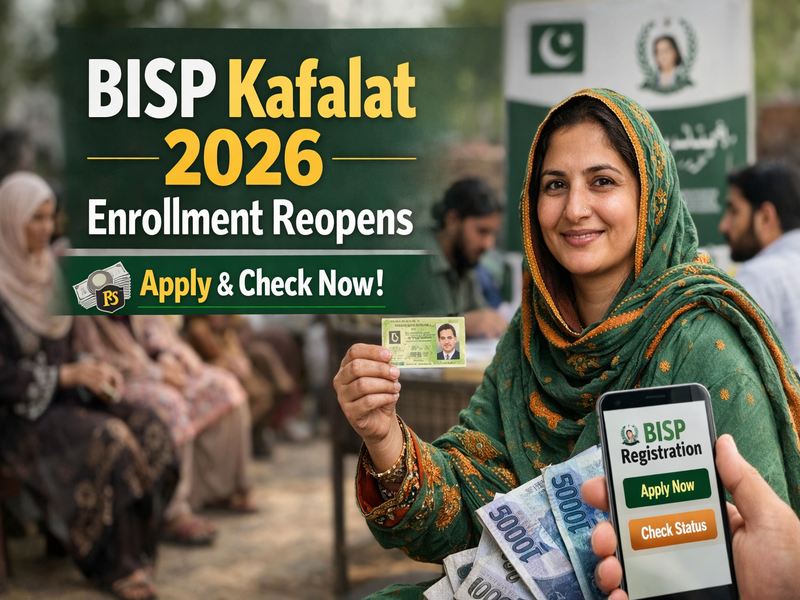
Registration for the Benazir Nashonuma Program is conducted offline at authorized centers. Applicants must visit a designated DHQ or THQ hospital, submit the required documents, and complete a medical screening. Once verification is completed, beneficiaries receive confirmation of enrollment. Registration is completely free, and families are advised not to pay any agent or intermediary.
Applicants are required to carry original documents at the time of registration to avoid delays. These include the mother’s CNIC, the child’s NADRA B-Form, the child’s immunization card, and an antenatal checkup card or pregnancy confirmation report. Missing or incomplete documentation may result in delayed approval or rejection.
Payments under the Nashonuma Program are released on a quarterly basis and are dependent on compliance with health-related conditions. Beneficiaries must attend scheduled medical checkups, ensure timely immunization, and follow nutrition guidelines. Payments are issued through official BISP payment channels, and biometric verification is mandatory. Failure to meet health requirements can lead to delayed or suspended payments.
In addition to cash assistance, the program provides free nutrition support to enrolled families. Pregnant and lactating women receive Maamta nutrition supplements, while children aged six to twenty-three months are given Wawamum food packets. Beneficiaries are required to regularly collect these supplements and attend nutrition awareness sessions focusing on breastfeeding, hygiene, and child care to continue receiving benefits.
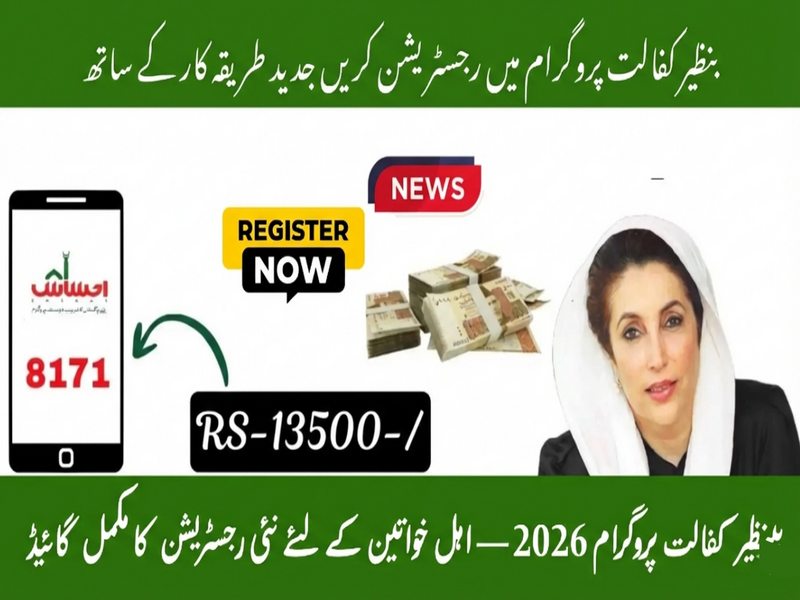
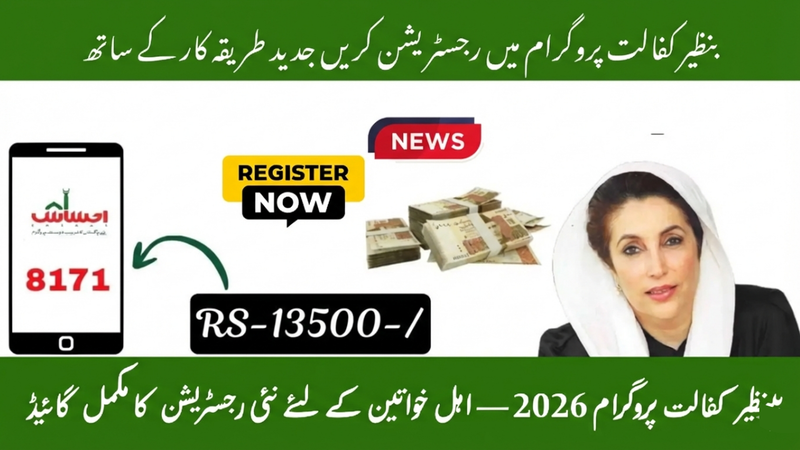
Beneficiaries can check their Nashonuma payment status through official channels by sending their CNIC number to 8171, contacting the BISP helpline, or visiting the nearest BISP office. Using only official sources is strongly advised to avoid misinformation or fraud.
The Benazir Nashonuma Program 2026 plays a critical role in supporting maternal and child health by combining financial assistance with nutrition and healthcare services. By registering at authorized government hospitals, eligible families can receive quarterly cash support while ensuring healthier outcomes for mothers and young children across Pakistan.