Toxic algae blooms, commonly known as red tides, are becoming a serious global environmental problem, causing beach closures and widespread marine life deaths from Australia to the Arctic. While agricultural runoff has long been considered the main trigger behind these harmful algal blooms, new research from the University of California, San Diego highlights plastic pollution as a major and
Read More ...-
-
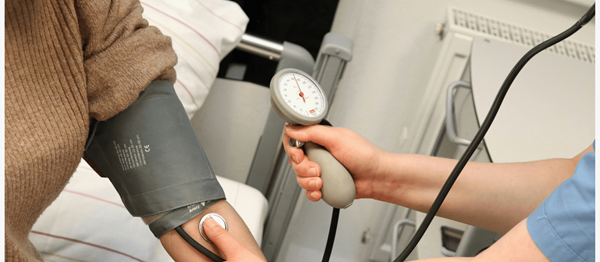
New Study Finds Link Between Drinking Water Quality and High Blood Pressure
30 January, 2026 0 14A new global analysis indicates that sodium present in drinking water may be an underrecognized factor contributing to elevated blood pressure and a higher risk of hypertension. The research highlights that drinking water with higher salinity levels is linked to increased systolic and diastolic blood pressure, suggesting that environmental sodium exposure may play a role alongside dietary
Read More ... -
AI Study Reveals How Sharks Survived the Dinosaur-Killing Asteroid
29 January, 2026 0 16A new scientific study powered by advanced artificial intelligence has reshaped long-held views about shark evolution, revealing that the asteroid impact responsible for the extinction of dinosaurs had only a limited effect on sharks and rays. The research shows these marine species were far more resilient than previously believed.
Read More ... -
Astronomers Discover Earth-Sized Planet Located 146 Light-Years Away
29 January, 2026 0 11Astronomers have identified a promising Earth-sized planet candidate that could potentially support life, located just 146 light-years from Earth. The planet, known as HD 137010 b, orbits a star similar to the Sun and is approximately six percent larger than Earth, making it one of the closest potentially habitable exoplanet candidates discovered so far.
Read More ... -
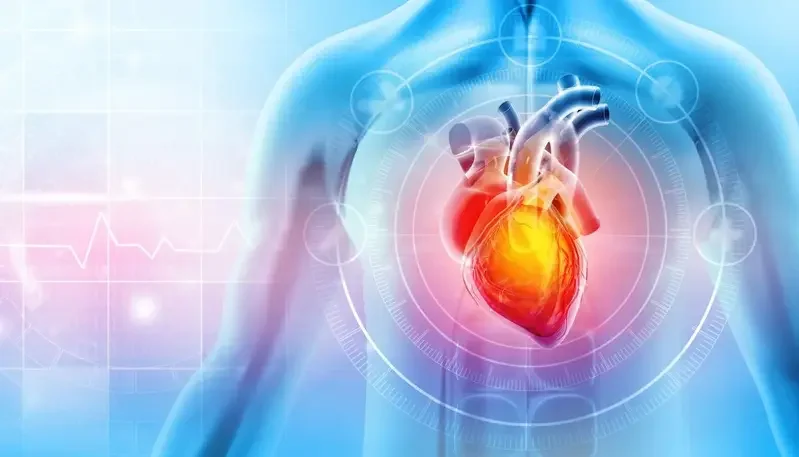
New Study Reveals Hidden Bacterial Infections as Key Trigger for Heart Attacks
06 January, 2026 0 8A recent study conducted by researchers at Tampere University and the University of Oxford is reshaping the understanding of heart attack causes. Traditionally, high cholesterol levels and lifestyle factors were considered the primary contributors, but the new findings highlight bacterial infections as a significant, previously underappreciated trigger. Scientists discovered that fatty plaques
Read More ... -
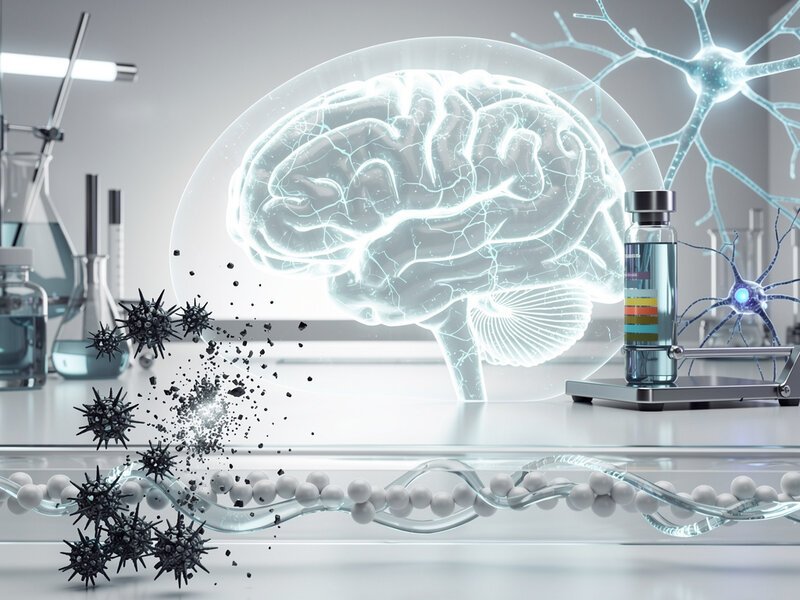
New Drug NU-9 Halts Early Alzheimer’s Brain Damage in Mice, Raising Hope for Preventive Treatment
05 January, 2026 0 8Scientists at Northwestern University have reported promising findings showing that a newly developed compound, NU-9, was able to halt early Alzheimer’s-related brain damage in mice, offering hope that the disease could one day be managed at an early stage. The research suggests Alzheimer’s may eventually be treated preventively, similar to how conditions like high cholesterol are controlled
Read More ... -
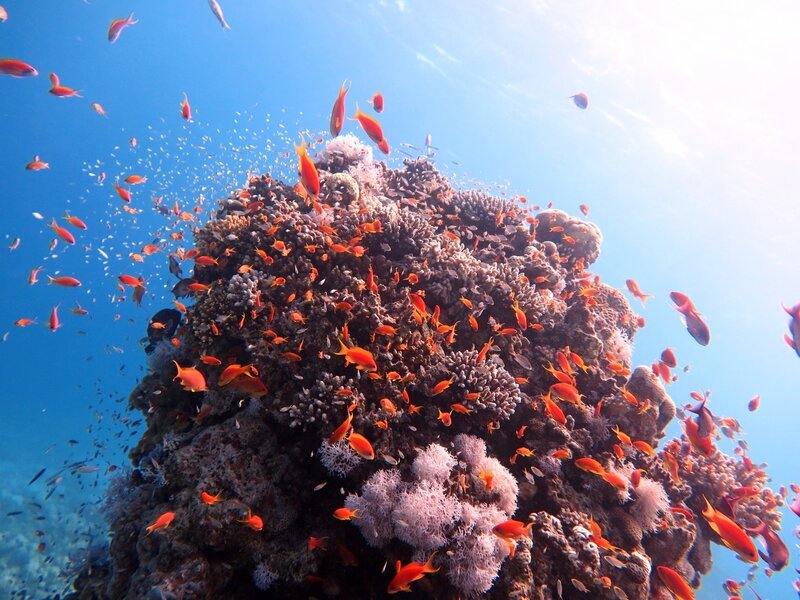
Study Finds Coral Reefs Regulate Daily Rhythms of Marine Microbes, Offering New Insights into Ocean Health
03 January, 2026 0 5A recent study in Science Advances reveals that coral reefs play a key role in regulating daily rhythms of nearby marine microbes, beyond providing habitat. Researchers from the Hebrew University of Jerusalem monitored microbial populations above a coral reef in the northern Gulf of Aqaba in the Red Sea, comparing them to populations in adjacent open waters during both winter and summer.
Read More ... -
Food Shortages Drive Mass Starvation of Endangered African Penguins, Study Finds
01 January, 2026 0 9Endangered African penguins living off the coast of South Africa have likely suffered mass starvation due to severe food shortages, according to a recent scientific study, with some populations declining by as much as 95 percent in just eight years. Researchers estimate that fewer than 10,000 breeding pairs of the small black-and-white penguin remain worldwide, placing the species at serious
Read More ... -
Cambridge Scientists Reverse Biological Age of Human Skin Cells by 30 Years in Groundbreaking Study
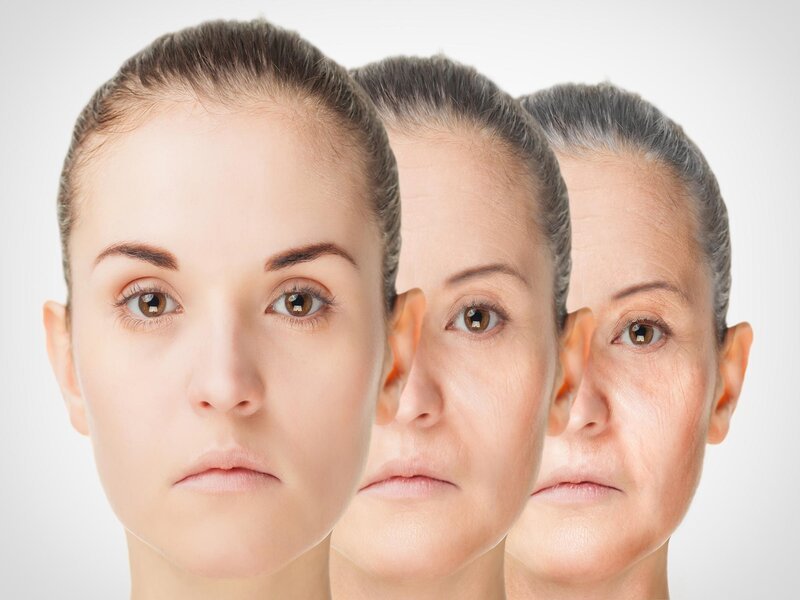
08 December, 2025 0 26Scientists at Cambridge University have made a groundbreaking advance in age reversal, successfully rejuvenating human skin cells by roughly 30 years. Using a technique called partial cellular reprogramming, inspired by Nobel Prize–winning stem cell research, the team managed to restore youthful cellular function without fully reverting the cells to an embryonic state. This approach allows the
Read More ... -
Scientists Permanently Cure Type 1 Diabetes in Mice Using Dual Stem Cell and Islet Cell Transplant
03 December, 2025 0 3Scientists have achieved a significant medical breakthrough by permanently curing Type 1 diabetes in mice through a dual transplant method that combines blood-forming stem cells with insulin-producing islet cells. This innovative treatment works by reprogramming the immune system, creating a hybrid of donor and recipient cells that halts the autoimmune attack responsible for destroying
Read More ...