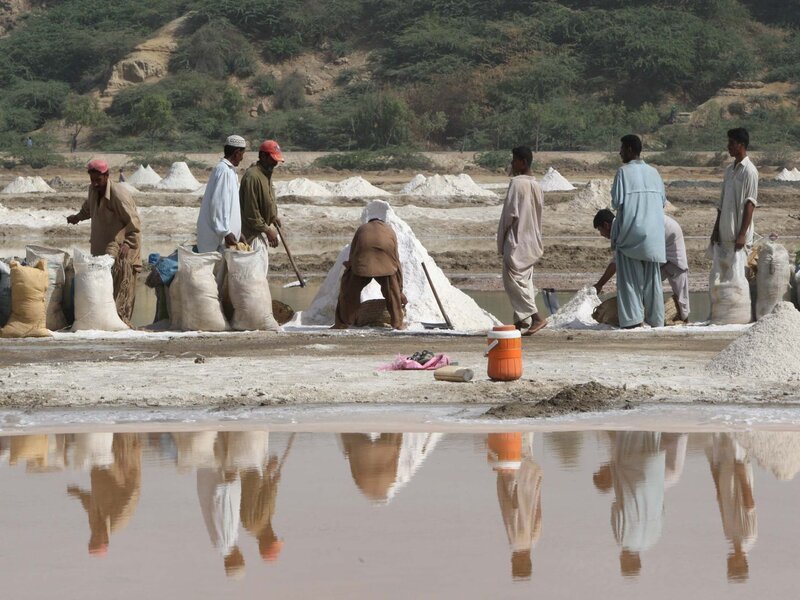

A new global analysis indicates that sodium present in drinking water may be an underrecognized factor contributing to elevated blood pressure and a higher risk of hypertension. The research highlights that drinking water with higher salinity levels is linked to increased systolic and diastolic blood pressure, suggesting that environmental sodium exposure may play a role alongside dietary intake. The findings encourage public health experts to broaden blood pressure prevention strategies, particularly in regions where groundwater is vulnerable to saltwater intrusion.
The study, published in a leading global health journal, was conducted by researchers from Florida International University in collaboration with teams from Johns Hopkins University, Vanderbilt University, and the Pan American Health Organization. The researchers emphasized that the goal is not to alarm communities, but to draw attention to a potential environmental contributor that may quietly increase sodium intake, especially in areas already facing high dietary salt consumption.
To reach these conclusions, the research team carried out a systematic review and meta-analysis of 27 population-based studies involving more than 74,000 participants from countries including the United States, Bangladesh, Vietnam, Kenya, Australia, Israel, and several European nations. The combined data showed that individuals consuming higher-salinity drinking water consistently had higher average blood pressure readings compared to those using lower-salinity sources. On average, systolic blood pressure was about 3.2 mm Hg higher and diastolic pressure around 2.8 mm Hg higher in populations exposed to saltier water.
The analysis also revealed that higher salinity in drinking water was associated with a 26 percent increased risk of hypertension, with the strongest and most consistent associations observed in coastal populations. While these blood pressure differences may seem modest at the individual level, researchers noted that even small increases can have major public health implications when large populations are exposed over time, comparable in scale to other known hypertension risk factors such as physical inactivity.
Salt can enter drinking water through various pathways, but saltwater intrusion into groundwater was identified as a major concern. Groundwater supplies a significant portion of global drinking water, and coastal regions are particularly at risk because freshwater and seawater systems are closely connected underground. With more than three billion people living in coastal or near-coastal areas worldwide, rising water stress and environmental change may further increase the salinity of drinking water sources.
The researchers pointed out that while reducing dietary sodium is a central focus of hypertension prevention guidelines, sodium exposure from drinking water is rarely considered in public health recommendations. They argue that in certain locations, this overlooked source of sodium could meaningfully contribute to overall intake and cardiovascular risk.
Although more research is needed to determine whether long-term exposure to salty drinking water is linked to outcomes such as heart attacks and strokes, the authors believe the evidence on blood pressure is strong enough to justify closer monitoring and further investigation. Experts say the findings could influence future water quality management and infrastructure planning, particularly in coastal regions that rely heavily on groundwater.
For individuals, the researchers stressed that food remains the primary source of sodium for most people, but in areas with higher water salinity, drinking water may add to the cumulative burden. Practical steps include reviewing local water quality reports where available and continuing to manage overall sodium intake, especially for people already monitoring or managing high blood pressure.