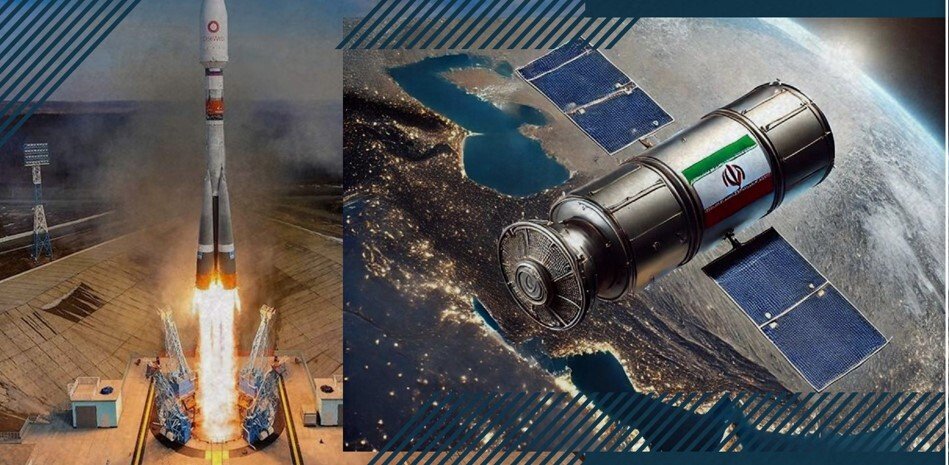
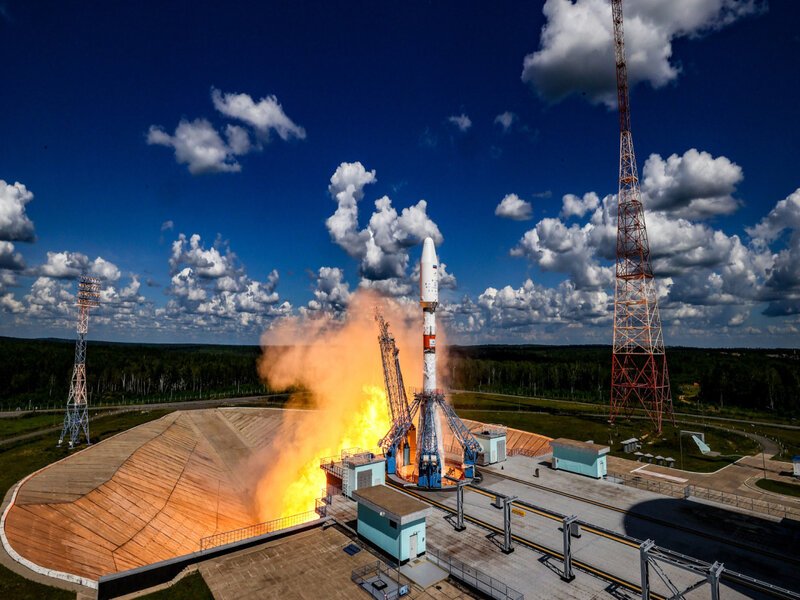
Iran has successfully launched three domestically developed observation satellites into orbit, marking another milestone in the country’s expanding space program despite ongoing Western sanctions. The satellites, named Zafar-2, Paya and Kowsar 1.5, were sent into space aboard a Russian Soyuz rocket from the Vostochny Cosmodrome in Russia.
According to Iranian officials, the satellites were designed and built by Iranian engineers and researchers to support earth observation, remote sensing and data collection for civilian purposes. The mission is intended to enhance Iran’s capabilities in areas such as environmental monitoring, natural resource management, urban planning and disaster response.
The launch highlights Tehran’s continued cooperation with Russia in the aerospace sector at a time when Iran faces significant restrictions on access to advanced technology due to international sanctions. By relying on a Russian launch vehicle, Iran was able to place its satellites into orbit while continuing to develop indigenous satellite design and space-related technologies at home.
Iranian authorities have reiterated that the country’s space and missile-related activities are strictly peaceful in nature. Officials say the satellite program complies with United Nations Security Council resolutions and is focused on scientific research, telecommunications and civilian applications rather than military use.
Western governments, particularly the United States and some European countries, have previously raised concerns that Iran’s satellite launch capabilities could contribute to the development of long-range ballistic missile technology. Tehran has consistently rejected these claims, arguing that space launch systems and military missiles are fundamentally different in purpose and design.
The successful deployment of Zafar-2, Paya and Kowsar 1.5 reflects Iran’s determination to maintain and advance its space ambitions despite political and economic pressure. It also underscores the country’s efforts to position itself as a regional player in space science and satellite technology, using international partnerships while continuing to invest in domestic innovation.