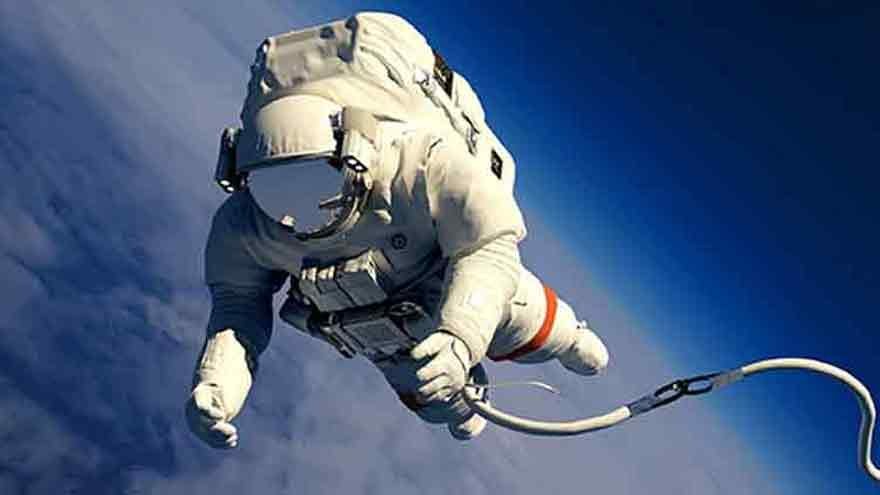
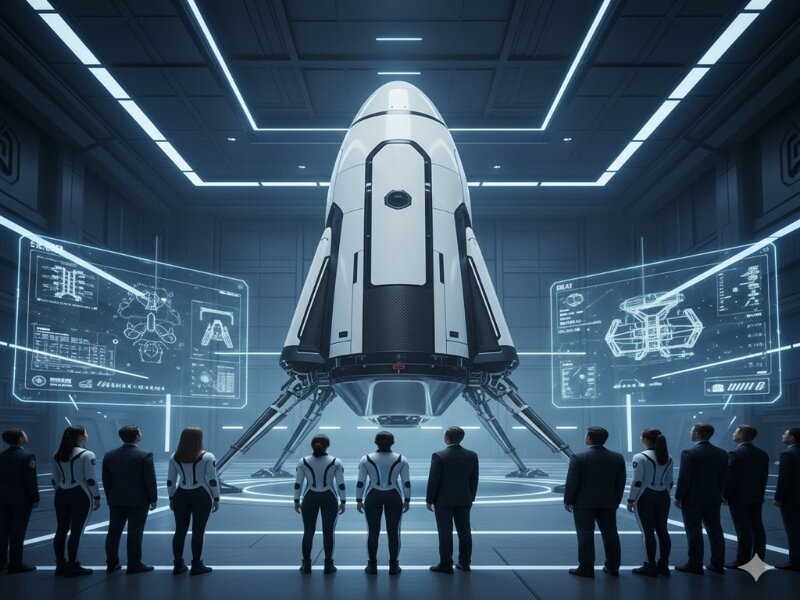
China is preparing to make a historic entry into commercial space tourism, with its first civilian spaceflight potentially taking place as early as 2028. This ambitious program marks a significant milestone in the country’s rapidly expanding space industry and reflects a global trend toward opening space travel to private citizens beyond professional astronauts. Tickets for this groundbreaking journey are currently priced at approximately $430,000, and interested individuals can reserve their spot by paying a small deposit, making the dream of orbiting the Earth more tangible for high-net-worth enthusiasts.
The early roster of participants already includes more than 20 confirmed space tourists from a wide range of professions. Business leaders, entertainment figures, scientists, and social media personalities have signed up, demonstrating the broad appeal of space tourism across industries. Among them is a famous actor, highlighting the growing media and public interest in civilian space travel. These pioneers will experience an unprecedented perspective of Earth from orbit, offering views of the planet, the curvature of the horizon, and the black expanse of space in a way that only a handful of humans have ever witnessed.
China’s commercial space initiative is not only a technological achievement but also an economic and cultural statement, positioning the country as a major player in the international space tourism market. The program will likely involve rigorous training for participants, including safety briefings, zero-gravity simulations, and preparation for the physical demands of leaving Earth’s atmosphere. With private companies and government-backed projects investing heavily in spacecraft, launch systems, and astronaut training programs, the Chinese initiative is expected to complement similar ventures already underway by companies in the United States and Europe.
The launch of commercial space tourism in China raises broader questions about accessibility, cost, and the future of human space exploration. While $430,000 may be out of reach for most people, it represents a step toward making space travel a reality for civilians, potentially paving the way for more affordable and frequent orbital flights in the decades to come. As the first commercial flights approach, the global public is left to consider the ultimate question: would you pay such a substantial sum for the chance to leave Earth, float in zero gravity, and witness the universe from a perspective previously reserved for astronauts?