
Jakarta, the capital city of Indonesia, has been officially recognized as the world’s largest urban center, with a population approaching 42 million, according to a United Nations report. This marks a major shift in global urban demographics, as Tokyo, Japan, which held the title in 2000, has been surpassed due to slower population growth over the past two decades. Bangladesh’s capital, Dhaka, with nearly 37 million residents, has also overtaken Tokyo’s 33 million, and is projected to become the world’s largest city by 2050 as Tokyo’s population continues to decline amid Japan’s ageing and shrinking population.
The UN Department of Economic and Social Affairs’ Population Division highlighted that nine of the ten most populous cities globally are located in Asia, with Cairo in Egypt being the only non-Asian city in the top ten. Elisa Sutanudjaja, director of the Jakarta-based Rujak Centre for Urban Studies, noted that the report confirms trends already observed by urbanists: Jakarta has exceeded Tokyo in population for several years, underscoring the scale of its urban challenges.
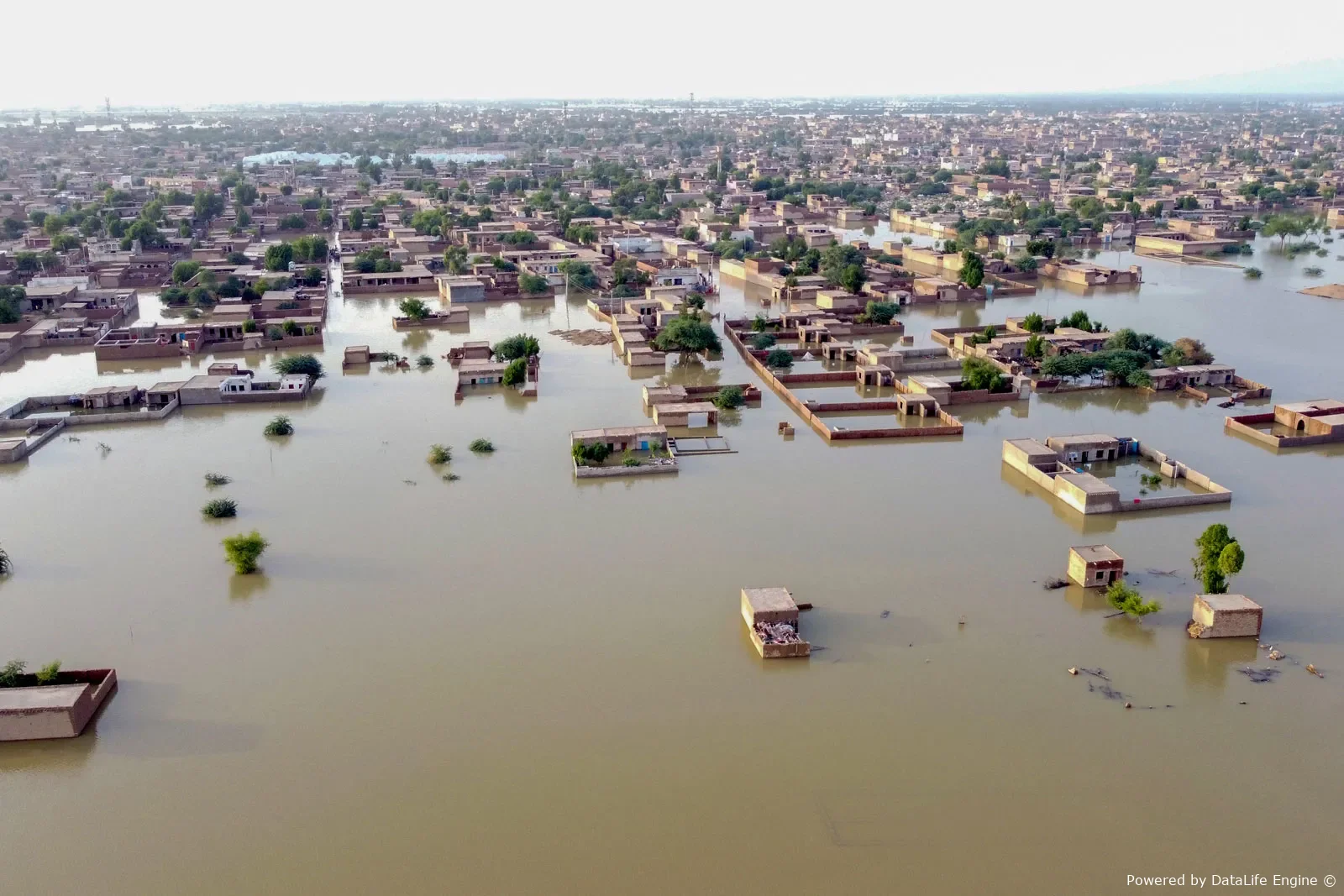
The city faces persistent issues including extreme traffic congestion, severe pollution, and frequent flooding, compounded by fragmented coordination between local governments. Recognizing these pressures, Indonesia announced in 2019 plans to relocate its capital from the densely populated island of Java to Borneo, establishing the new city of Nusantara. However, the ambitious project has fallen behind schedule and continues to struggle to attract sufficient investment, leaving Jakarta to contend with the realities of one of the world’s largest and fastest-growing urban populations.