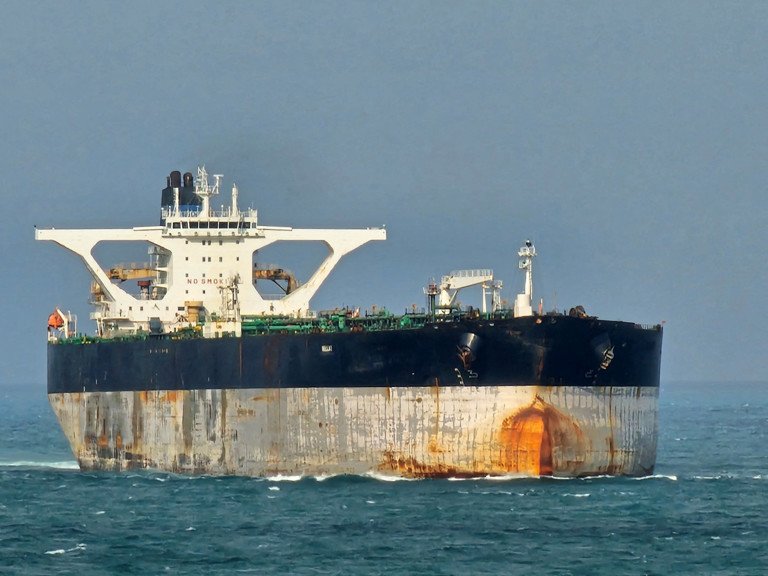
Amid escalating tensions between Washington and Caracas, Russia reportedly dispatched a submarine and naval vessels to escort an oil tanker attempting to evade United States sanctions enforcement near Venezuela. The tanker, originally known as Bella 1, was a rusting vessel previously involved in transporting oil in violation of U.S. sanctions targeting Venezuela, Iran, and associated entities. After earlier interception attempts by the U.S. Coast Guard, the vessel’s crew changed its name to Marinera, painted a Russian flag on its hull, and registered it under the Russian flag in a bid to avoid seizure.
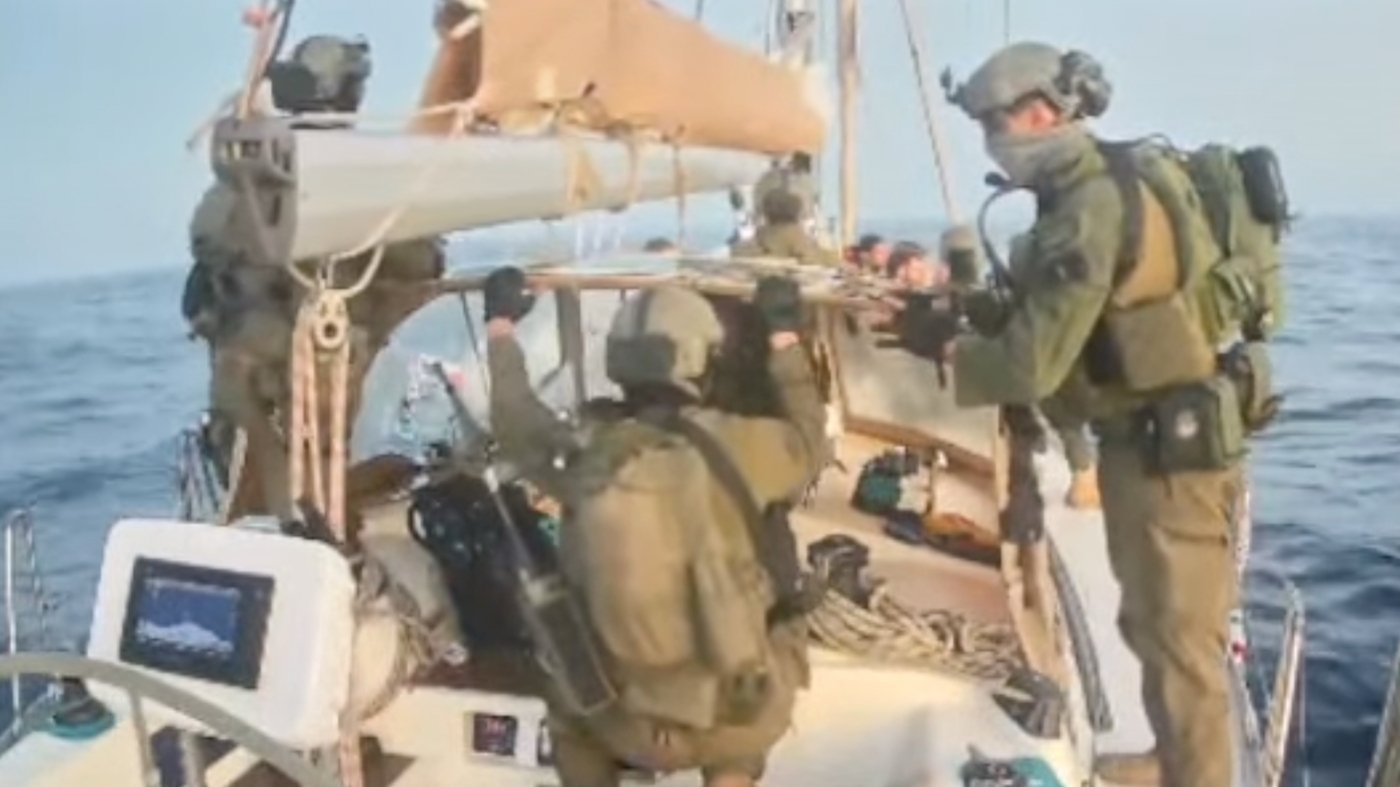
Although the tanker was carrying no cargo at the time, U.S. authorities continued to track it across international waters, citing a federal seizure order and maritime sanctions enforcement. Special operations forces and Navy aircraft were reportedly involved in monitoring and attempting to board the vessel, which tried to bypass a U.S. maritime blockade of sanctioned ships around Venezuela.
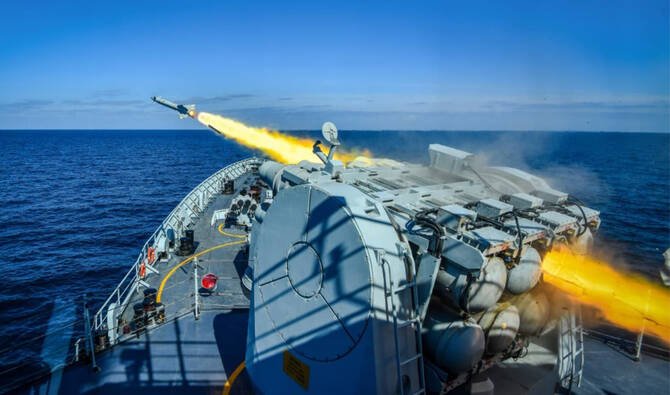
Russia’s deployment of a submarine and escort ships represented an unusual escalation, signaling Moscow’s willingness to protect vessels flying its flag in contested waters. Russian officials argued that the tanker was legally registered under the Russian flag and criticized the U.S. pursuit as an overreach of authority and a violation of international maritime law, while emphasizing the safety of the Russian crew.
After a chase lasting more than two weeks, U.S. forces successfully seized the Marinera in the North Atlantic despite the presence of Russian naval escorts, marking one of the most direct maritime confrontations between Washington and Moscow in recent years. The incident underscores growing tensions over the enforcement of U.S. sanctions on Venezuelan oil, the use of reflagging and evasion tactics by sanctioned vessels, and Russia’s increasing willingness to involve military assets to defend its maritime interests.
Analysts suggest that this confrontation could intensify geopolitical friction and highlight the risks associated with naval operations involving sanctioned ships in international waters. The standoff demonstrates the complex intersection of sanctions enforcement, global energy markets, and international maritime law in the Atlantic region.