Punjab Sets 16.5 Million Acre Wheat Target, Fixes Support Price at Rs4,500 per Maund
Punjab has set a wheat cultivation target of 16.5 million acres for the new season and fixed the support price at Rs4,500 per maund, alongside fresh subsidies and financing for farmers.
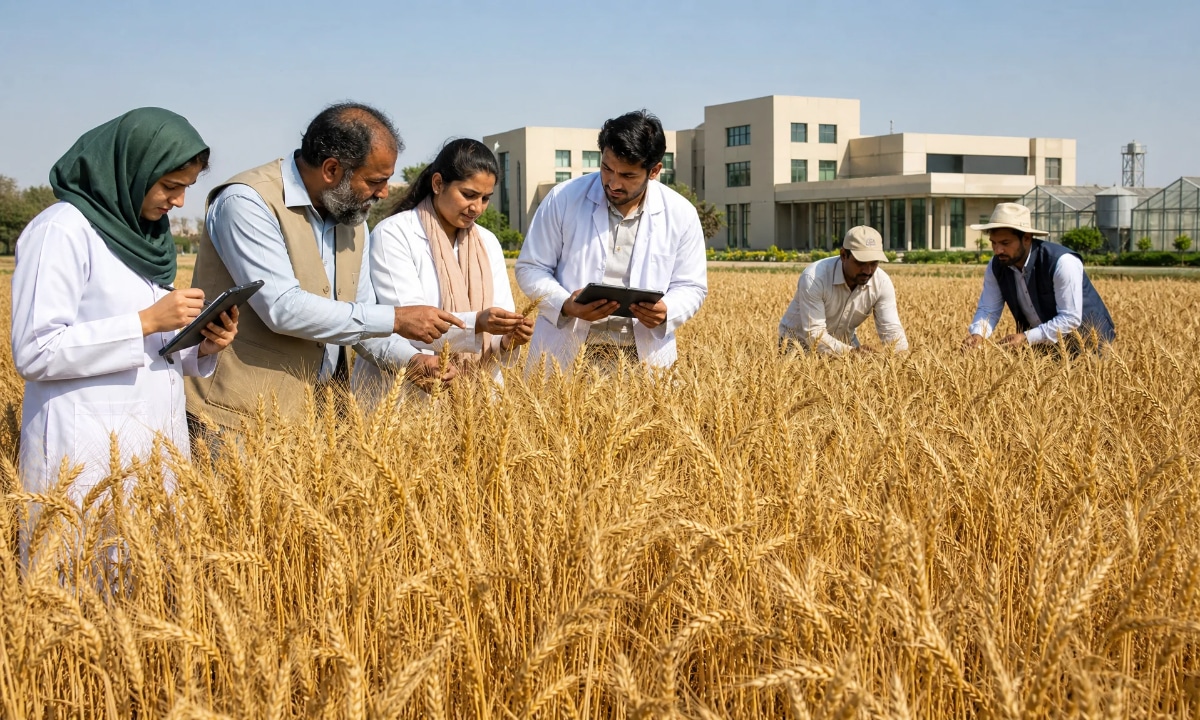
The Punjab government has set a wheat cultivation target of 16.5 million acres for the upcoming season and fixed the support price at Rs4,500 per maund, according to Agriculture Minister Syed Ashiq Hussain Kirmani. The minister announced the measures during a review meeting at the Commissioner's Office on Wednesday, describing them as steps to protect farmers' interests and strengthen national food security.
Kirmani said the provincial government has allocated Rs150 billion under the Kissan Card program to help farmers purchase agricultural inputs. He added that Rs425 billion in interest-free loans have been disbursed to farmers over the past two and a half years. The government has also distributed 45,000 tractors at subsidized rates under the Green Tractor Scheme, he said.
To encourage the use of quality inputs, the Punjab Seed Corporation has provided a subsidy of Rs450 million on certified wheat seeds. Reviewing cultivation targets by division, Secretary Agriculture Punjab Shakeel Ahmad Mian said Lahore Division has been assigned a target of 1.35 million acres, an increase of 50,000 acres from the previous year.
The agriculture minister directed field officers to ensure that approved 50-kilogram bags of wheat seed are sold at the fixed price of Rs7,000. He also ordered strict action against hoarding, profiteering, black marketing and the theft of canal water.
The announcements are part of the provincial government's push to expand wheat cultivation, support agricultural productivity and shield farmers during the coming growing season. Wheat is a staple crop in Pakistan, and provincial output targets and support prices are closely watched by growers and the broader agriculture economy.